How to ferment cake fertilizer? A detailed guide to the correct method of use
Nowadays, cake fertilizer is deeply welcomed by the vast number of growers and is often used on greenhouse vegetable crops. Cake fertilizer is actually the residue left after oil crops are pressed for oil, and it is a high-quality organic fertilizer. Applying cake fertilizer can not only improve the soil, but also enhance the quality of crops, but only after fermentation can its nutrients be absorbed by the crops. Now let's take a look together at the fermentation and use methods of cake fertilizer.
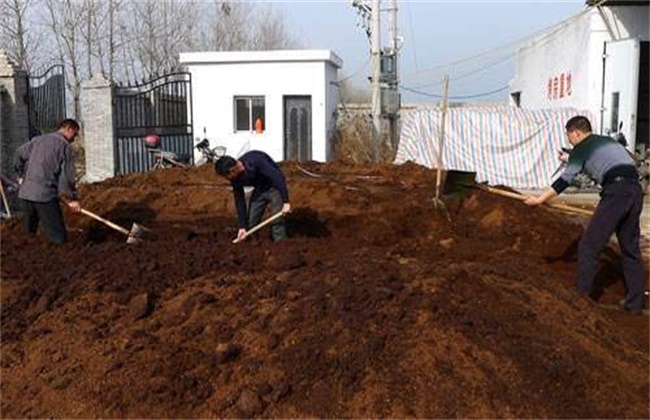
I. Fermentation of cake fertilizer
1. The harm of not fermenting
Using cake fertilizer after fermentation can effectively avoid its harmful effects, because cake fertilizer contains organic matter, and fermentation and decomposition will produce formic acid, acetic acid, lactic acid and other acid substances that affect seed germination and young root development, especially when applied on sandy soil and dry land, where it is even more serious. Applying it after fermentation can avoid this phenomenon. Some cake fertilizers contain about 10% oil, which decomposes relatively slowly in the soil, reduces the soil's moisture content, and prevents root absorption. In addition, applying cake fertilizer without fermentation may cause root burn.
2. Fermentation methods
First crush the cake fertilizer, then pile it together with compost or barnyard manure for 2-3 weeks, or mix decomposed human and livestock manure and urine with crushed cake fertilizer, add some water, and ferment them together for 2-3 weeks. Note that the compost should be turned properly to avoid smelling bad and attracting flies. Finally, use a fermentation agent for fermentation. During fermentation, orange peel and other substances containing limonene can be added, which can give the fermentation liquid a pleasant fragrance. The surroundings and surface of the cake fertilizer fermentation pile should be tightly sealed with wet mud, and the pile should not be turned, to prevent the loss of ammonium nitrogen through volatilization.
II. Methods of use
1. Base fertilizer or top dressing
When used as a base fertilizer, it can be fermented and applied directly, and it is enough to apply it one week before planting. It is best to apply it at a depth of 10-20 cm in the soil layer; it should not be applied directly on the surface, nor should it be applied too deep. If it is used as a seed fertilizer, it must be fully decomposed to avoid root burn that affects seed emergence, or it can be applied into the soil together with composted organic fertilizer as a base fertilizer, which is relatively safe. When used as a top dressing, it also needs to be fermented; if applied without fermentation, its fertilizer effect is slow and the best time for top dressing is missed.
2. Application methods
When applying before planting, first dig the planting holes well, apply about 100 grams of cake fertilizer per hole, mix it evenly with the soil, and then plant. This fertilization method can increase crop yield by about 10%-20%, and the produce has good marketability and excellent quality. Especially when used on cucumber and tomato, the yield-increasing effect is very significant. It can also be mixed and applied together with the base fertilizer. The amount of fertilizer applied should be based on the crop, soil fertility and temperature. For low soil fertility and fertilizer-tolerant varieties, more should be applied; otherwise, the amount of fertilizer applied should be reduced.
The above is an introduction to the fermentation and use methods of cake fertilizer. I hope it can help you. To learn more related knowledge, please keep following us.