What are the precautions for breeding superworms?
Various problems often arise when breeding superworms, and many people may not know the cause. Most of these are caused by not paying enough attention to certain issues during breeding. So which issues need more attention? Let's find out below!
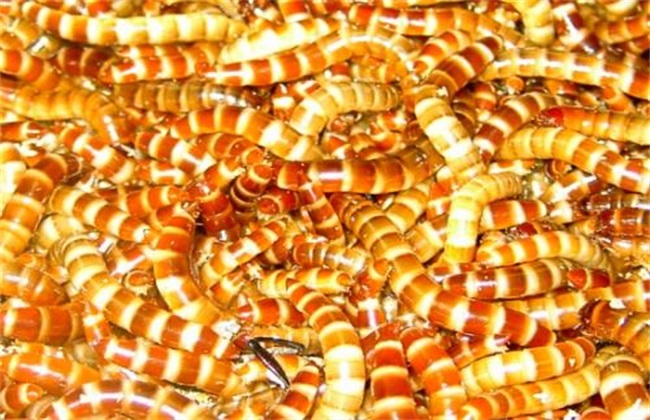
1. Breeding time
Although the temperature of the breeding room can now be controlled through technology to achieve year-round breeding, the breeding time still needs attention. Only by starting breeding at the appropriate stage can the normal breeding cycle of superworms be guaranteed. Generally speaking, starting around April is more suitable, because one breeding round takes about 4-6 months. Starting in this time period means the subsequent temperatures are relatively balanced and less likely to affect breeding. When local temperatures fluctuate quickly, the breeding time can be appropriately adjusted according to actual conditions.
2. Feeding
Feeding is also a relatively important point. If the variety you breed yourself is not as good as others', it is mostly because you did not do well enough when providing leaves. When superworms are small larvae, what they seek is fresh, tender leaves. At this stage, to ensure the food is fresh, it is best to cut the leaves into sections before feeding. This not only avoids waste but also lets the superworm larvae eat only fresh food. Once they mature, there is no need to cut them into sections. At this time, superworms have a large food intake, so more can be provided to ensure their feed needs, and only then will the superworms bred this way have good appearance.
3. Hygiene
This form of superworm breeding places relatively great importance on hygiene, because the density is high, and poor hygiene easily leads to problems. When breeding superworms, their feces and food are often mixed together. In a short time the problem is not serious, but over time it will not do, and timely cleaning is needed. In addition, with the service life of the bedding material and the combined effects of multiple aspects, the hygienic environment for superworms is actually not very good. Only regular cleaning can ensure a high-quality growth environment for superworms and improve breeding efficiency.
4. Disease prevention
Disease is also an issue that needs key attention. Superworms do not have few diseases at all, and because of mixed breeding density, once disease occurs it is very easy to spread, causing all the superworms in the entire breeding box to become diseased. In terms of disease prevention, first, the food being fed must be checked to ensure the source is uncontaminated, so as to avoid feeding toxic leaves. There have been similar cases before: the leaves fed contained pesticides, and as a result the superworms that ate them basically all died. Second, there are pests such as mites caused by hygiene problems, and their impact is also extremely great.
The above are some precautions for breeding superworms. Although superworms, as insects, have relatively strong survival ability themselves, artificially raised ones are not very outstanding in various resistances, so more attention is still needed.