What are the precautions for farming grasshoppers?
Grasshoppers were originally a kind of pest, but now they have become a delicacy, and many people have spotted the business opportunity here and chosen to get into farming them. But farming grasshoppers is not easy either; problems come up often, and there are still many precautions that people do not know about. Let's take a look at a few of these precautions below!
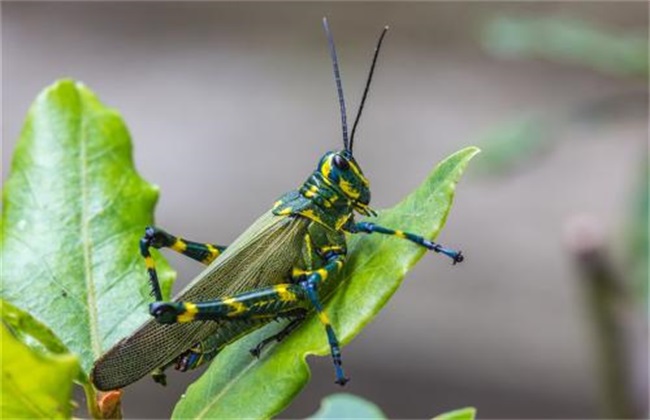
1. Cleanliness of the forage
Grasshoppers are not picky about forage; as long as you feed them, they can clean it all up in a short time. They themselves have no ability to distinguish food, and whether or not the food is toxic, they will basically eat it all the same, but grasshoppers are very poor at resisting these toxins, and one slip can mean death in batches. Before feeding, you must ensure the forage is clean and safe; even if it is not that fresh it does not matter, as long as it is harmless.
2. Preventing escape
Grasshoppers themselves like to run around everywhere, as you can see inside the farming greenhouse, and they have a certain follow-the-leader tendency: as long as a few take the lead and run off, it means there is a gap in this big friend, and then more and more grasshoppers will follow and run off, so protective measures must be done well. Secondly, grasshoppers themselves have a relatively large impact on the surrounding environment; if there is suitable breeding ground nearby, these escaped grasshoppers can easily form a locust plague, and farmers should pay more attention to this problem.
3. Keeping quiet
Caution is a long-standing fine tradition of grasshoppers; at the slightest rustle they will run away, so the surroundings of farmed grasshoppers must also be kept quiet. The farming density is naturally higher than in the wild, and the activity space is also smaller, so excessive outside noise will stimulate the grasshoppers inside the greenhouse, and then chaos will break out. If noise occurs frequently, the whole grasshopper colony will remain in a relatively tense state, ready to escape at any time, which has an extremely serious impact on farming efficiency. If the grasshopper colony is often nervous and uneasy, then pay attention to checking whether there is a problem with noise.
4. Controlling light
Light has a considerable impact on grasshoppers, so the surface layer of many farming greenhouses is opaque, which can both control the light inside the greenhouse and avoid strong light shining directly on the grasshoppers. Light affects the breeding efficiency of grasshoppers; high-intensity light will slow down breeding and may also affect the hatching of eggs. In addition, it easily leads to temperature imbalance, and in serious cases can cause a large day-night temperature difference, resulting in batch deaths of grasshoppers and other such situations.
The above are some of the problems to pay attention to when farming grasshoppers. Grasshoppers themselves are quite vigorous, but the vigor of greenhouse-farmed grasshoppers is naturally not as strong as that of wild ones, so only by doing prevention well can you ensure the survival count.