Winter Beef Cattle Fattening Tips: Cattle Farmers Need to Master These Points
Winter temperatures are low and green fodder is scarce, which is extremely unfavorable for beef cattle putting on fat. This is also a major problem troubling cattle farmers, especially at the end of the year, when the year-end approaches but the beef cattle still show no sign of gaining fat. So what should be done in winter to make beef cattle gain fat? Let's take a look together.
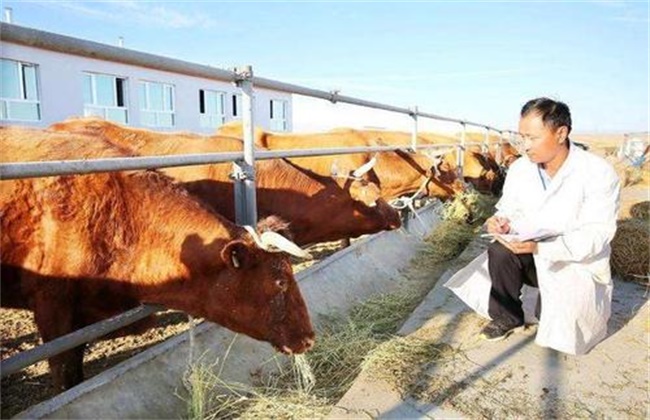
1. Feed enough and feed well
Feed is the material basis for cattle to gain fat. It is recommended to feed once in the morning and once in the evening, twice a day, to ensure the cattle have enough time to rest and ruminate and to improve their digestive function. The formula should be scientific. Coarse feed can be cut short and fed after soaking and fermentation. Concentrate feed should be moderate, and green feed should be sufficient. In the early fattening stage, the proportion of coarse feed should not be less than 50%. This can both exercise the cattle's stomach and intestinal function and increase the cattle's stomach capacity. The feeding amount should be increased gradually and should not be suddenly increased or decreased, as this will not only cause feed waste but also cause indigestion. In order to let the beef cattle eat better, some radishes and green vegetables can be added, which can also maintain vitamins and trace elements.
2. Clean drinking water
In winter, beef cattle mainly eat dry hay and need a large amount of drinking water every day, so sufficient drinking water must be supplied. When water intake is insufficient, it will not only affect the feed intake of beef cattle, but also affect the digestion and absorption of feed, causing dry skin and poor spirits in beef cattle. At the same time, the drinking water must also be kept clean. In addition, because the winter temperature is too low, the water temperature should also be suitable, preferably around 20 degrees. If conditions permit, an automatic water supply system can be installed to meet the drinking water needs of beef cattle. If conditions do not permit, it needs to be supplied at fixed times every day.
3. Heat preservation and ventilation
In winter, the cattle shed should be free of rain leakage and drafts, with a dry, clean floor, and the room temperature is required to reach 5 degrees, preferably kept between 10-18 degrees. However, because the temperature difference between indoors and outdoors is too large, combined with reasons such as heat loss from breathing and excretion by beef cattle, the humidity inside the cattle shed will be high, and the concentration of toxic gases such as carbon dioxide and hydrogen sulfide will also be too high, which seriously affects the growth of the cattle. Therefore, while ensuring the temperature of the cattle shed, it is also necessary to ventilate in a timely manner. Especially when cleaning manure, residual feed needs to be swept up to ensure the hygiene of the cattle shed.
4. Disinfection and disease prevention
In addition to regular cleaning, disinfection work should also be carried out once a month. A low-concentration sodium hydroxide solution can be sprayed on the floor and walls of the cattle shed, striving to leave no dead corners. When the ammonia odor concentration is too high, peracetic acid can be used for disinfection, and quicklime can also be used for disinfection at the entrance of the cattle shed. Disease prevention for beef cattle mainly means preventing parasites. They not only directly take away the nutrition of beef cattle, but the toxic substances produced by their metabolism will also cause diseases in beef cattle, seriously affecting the fattening effect. Therefore, deworming work needs to be carried out before fattening to ensure the health of beef cattle. For deworming, ivermectin can be used, calculated at 50 mg per kilogram.
The above is an introduction to winter beef cattle fattening tips. I hope it can help you. If you want to learn more related knowledge, please stay tuned to us.