How to raise newborn calves in winter? A detailed explanation of management key points
Extensive feeding and management of newborn calves can easily lead to illness and death, let alone the low winter temperatures, which makes the feeding and management of newborn calves even more important. So how should newborn calves be managed in winter? Follow along with the editor to learn more.
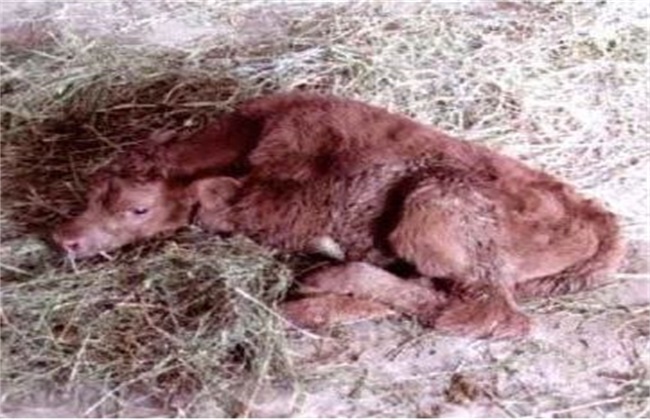
1. Cold protection and warmth keeping
The most suitable growth temperature for calves is between 15-20 degrees, with humidity around 60%, while winter temperatures are generally low, with temperatures in most areas below 10 degrees, so windproof and cold-proof measures must be taken in advance. Gaps in the barn should be sealed and lighted to prevent drafts from entering, and corresponding heating equipment can also be placed; the bedding should also be thick and dry, and once the bedding becomes damp, it needs to be replaced promptly. In addition, although heating is important, ventilation cannot be ignored either; when the weather is clear, appropriate ventilation and air exchange can be carried out.
2. Cutting the umbilical cord
After the calf is born, the person assisting the birth should handle the umbilical cord promptly. Under normal circumstances, the calf's umbilical cord will break naturally; if it has not broken, use disinfected scissors to cut the umbilical cord 6-8 cm from the abdomen, then disinfect it with iodine tincture. Cutting the umbilical cord does not require bandaging; a small knot can be tied to let it fall off naturally. The mucus on the calf's body is best licked clean by the cow, as this can increase the bond between mother and calf, but the mucus in the mouth and nasal cavity should be promptly removed with a towel, and the calf's soft hooves should be peeled off to help it stand.
3. Feed colostrum as early as possible
After the calf is born, try to let it drink colostrum within half an hour, because colostrum contains more maternal antibodies, which can enhance the calf's resistance to disease. For weaker calves, artificial feeding is needed until they can suckle on their own.
4. Strengthen management
After the calf is born, the barn should be kept clean and hygienic. The barn should be cleaned frequently, disinfected regularly, and efforts should be made to clean often, observe often, and change bedding often, so as to keep the barn dry and clean. When washing, it is strictly forbidden to use cold water; warm water must be used.
The above is an introduction to the key points for managing newborn calves in winter. We hope it can help you. To learn more related knowledge, please stay tuned to us.