What to Do When a Newborn Lamb Cannot Stand Up? Causes and Solutions
Many sheep farmers have likely encountered the phenomenon of newborn lambs being unable to stand up. It is common that the lamb is fine for the first 2-3 days after birth, and then gradually develops weak, limp limbs and cannot stand. This phenomenon mostly occurs in late winter and early spring. What causes it? Let's take a look together.
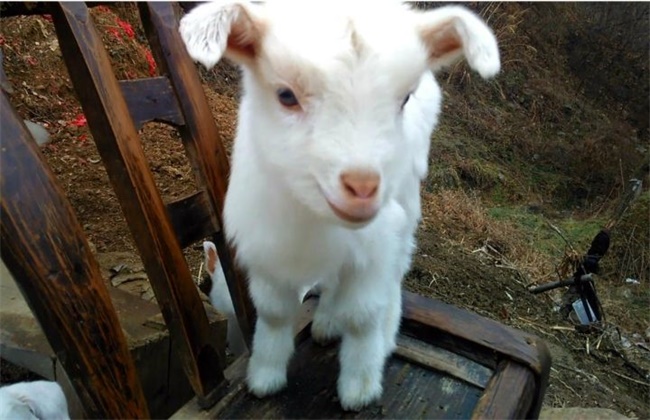
1. Causes of the disease
Lambs being unable to stand is mainly caused by an improper ratio of calcium and phosphorus in the feed, which leads to thyroid insufficiency in the lamb, which in turn causes calcium metabolism disorders or elevated estrogen levels, resulting in reduced calcium absorbed by the digestive tract. Because of insufficient vitamin content in the feed and insufficient light in the rearing environment, lambs get very little vitamin; insufficient calcium and phosphorus in the feed of pregnant ewes can also cause calcium deficiency in lambs. In addition, a dark and damp sheep shed environment can also lead to calcium deficiency in lambs and trigger other diseases.
2. Clinical symptoms
The lamb has weak legs or postpartum paralysis, grows and develops slowly, often prefers to lie down for long periods, struggles to stand, and the limbs often cannot support the body to stand. Over time, the limbs become swollen and the legs become bent; although they can be extended, they are highly prone to deformation, and sometimes when walking there is difficulty breathing and rapid heartbeat. In ewes, early calcium deficiency causes relaxation of the pelvic muscles and a clear trend of decreased feed intake; when calcium deficiency is severe, symptoms include constant bleating, difficult urination, and loss of appetite.
3. Prevention and control measures
To avoid this situation, first strengthen the feed management of ewes, increase the light transmittance of the sheep shed, keep ewes exercising appropriately, and supplement concentrated feed as much as possible. When supplementing calcium, pay attention to maintaining calcium chloride minerals. In addition, grazing sheep are less likely to show calcium and phosphorus deficiency, so if sheep are kept in pens, supplement legumes as much as possible to ensure the sheep's calcium supplementation. For lambs with no milk or insufficient milk, artificial supplementary feeding can be carried out: fresh eggs, cod liver oil, and salt can be mixed with boiled water and stirred evenly for feeding. Generally, for lambs within one week of birth, feed 4-6 times a day, 50 milliliters each time, then gradually increase the supplementary feeding amount, and start training them to eat grass after half a month. For calcium supplementation in lambs, start with the ewe: Yangyunbao can be added to the ewe's feed, and for lambs with relatively severe calcium deficiency, vitamin D colloidal injection can be given.
The above is an introduction to what to do when a newborn lamb cannot stand up. We hope it helps you. To learn more related knowledge, please stay tuned to us.