What are the common planting methods for green manure?
Green manure is now one of the fertilizers we use more commonly in daily life. Green manure is very beneficial to crop growth. It not only provides crops with sufficient nutrients, but also has various functions such as improving the soil and improving the environment. Therefore, it is now welcomed by many growers, and when planting green manure, there are many planting methods. So what exactly are they? Below, the editor will give a brief introduction to the common planting methods of green manure. Let's take a look together!
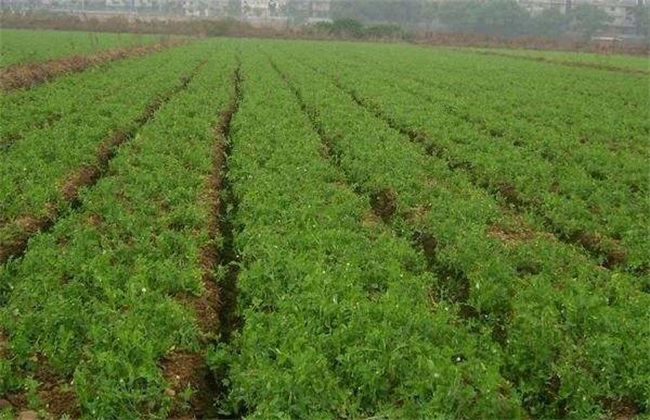
1. Sole cropping
Sole cropping of green manure, as the name suggests, means setting aside a piece of cultivated land and planting only one kind of green manure crop on it. It is not grown together with other crops. For example, choose a piece of wasteland, then after reclaiming the wasteland, first plant green manure plants for one season or one year. In this way, the content of organic matter in the soil of that land is increased, thereby promoting the growth of the following crop and increasing the yield of the following crop.
2. Intercropping
Intercropping green manure means intercropping green manure with other crops within the same season. For example, when planting corn, intercrop an appropriate amount of soybeans, and when planting sugarcane, intercrop an appropriate amount of mung beans, cowpeas, and other crops. Intercropping green manure can fully improve the utilization rate of soil fertility and achieve the goal of using the land while maintaining it. When intercropping, if green manure is planted, it can improve the main crop's absorption of nitrogen, reduce the harm of weeds, diseases, and insect pests, and ensure the healthy growth of the main crop.
3. Relay intercropping
Relay intercropping of green manure is actually somewhat similar to intercropping. The main difference is that before the main crop is sown or after it is harvested, an appropriate amount of green manure is sown between its rows. For example, when planting late rice, when it enters the milk-ripe stage, an appropriate amount of Chinese milk vetch can be planted, and in wheat fields, crops such as sweet clover can be relay intercropped. Relay intercropping can not only play the role of intercropping, but also fully utilize the growing season, increase the growth time, and increase the yield of green manure.
4. Mixed cropping
Mixed cropping of green manure refers to planting two or more kinds of green manure crops in a mixed manner on the same piece of cultivated land. These two green manure crops are best able to be different types of crops, such as leguminous green manure and non-leguminous green manure, trailing green manure and upright green manure, etc. They can regulate nutrients among themselves. Trailing green manure can climb along upright green manure, improving field ventilation. Therefore, the yield of mixed-cropped green manure is relatively high, and the soil improvement effect is also very good.
5. Insertion cropping and multiple cropping
Insertion cropping of green manure means that after the crop is harvested, a short-term green manure crop is planted using the brief spare growing season in between. To provide base fertilizer for the next season's crop, this kind of green manure should mainly use varieties with a short growing season and fast growth speed, such as mung beans, peas, etc. This method can improve the utilization rate of land resources, is relatively convenient to manage, allows one more harvest of green manure, and provides sufficient nutrients for the following crop.
The above is a brief introduction to the common planting methods of green manure. That is all for today's introduction. This article is for reference only. We hope it can be helpful to everyone!