Tips for Breeding Topmouth Gudgeon: Doing These Things Well Matters
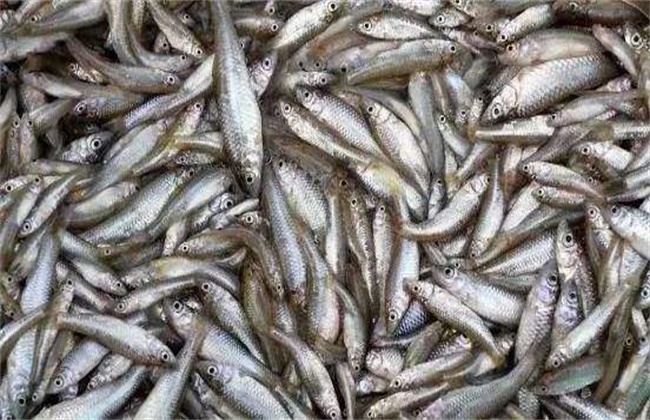
Topmouth gudgeon is an important economic fish in Wogan. It is small in size, but its flesh is very abundant, rich in protein and calcium, and very suitable for the elderly and children to eat. So how should topmouth gudgeon be raised? Follow the editor to take a look at its breeding tips.
1. Selection of the pond
Topmouth gudgeon has relatively high requirements for pond water quality. Breeding it requires good water quality conditions, which is a necessary condition for breeding topmouth gudgeon. It is best to choose a stone pond for breeding. If such conditions are not available, an ordinary pond can be modified, starting first with clearing the silt. After cleaning the hard stones, put them into the bottom of the pond. In addition, some algae organisms need to be planted, which can play a major role in purifying water quality and can also provide topmouth gudgeon with a place to rest or lay eggs.
2. Stocking fry
When stocking for the first time, the fry density should not be too high, and the pond water depth should be controlled at about 1.5 m. If it is summer or winter, the water level can be appropriately deepened. For the first stocking density, it is best to judge based on factors such as the size of the pond area, water quality standards, and the average temperature around the pond, generally controlled at about 13,000 fish per mu.
3. Feed feeding
When topmouth gudgeon has just been put into the pond, its ability to feed on its own is still relatively poor, so in the early stage the number of feedings should preferably be controlled at two times, that is, one feeding in the morning and one feeding in the evening. The feed put in each time should be slowly increased. During feeding, regularly observe the number and amount of food the fish consume every day. After each feeding, observe the number and amount of food consumed. If there is any feed left uneaten after each feeding, then it should be promptly removed from the pond, so as to promptly avoid water pollution.
4. Regular disinfection
Disinfection is the most critical part of the daily management of the pond. Each time disinfectant water is used, it must be timed and measured, and after using disinfectant water, an appropriate amount of new water should be added to the pond. If a small number of topmouth gudgeon in the water quality show signs of illness, the number of disinfections can be appropriately increased.
The above is an introduction to the breeding tips for topmouth gudgeon. We hope it can help you. If you want to learn more related knowledge, please stay tuned to us.