Detailed Explanation of Key Management Knowledge for Smallholder Pig Farming
Smallholders refer to farmers who have not formed a large-scale operation; the pigs they raise are generally for their own consumption, with a small number sold locally. Many smallholders figure out their farming techniques by trial and error, which has many drawbacks, and some key areas are done wrong, leading to poor farming returns over the long term that cannot compare with those of formal farms. Let's take a look below at some smallholder pig farming management knowledge!
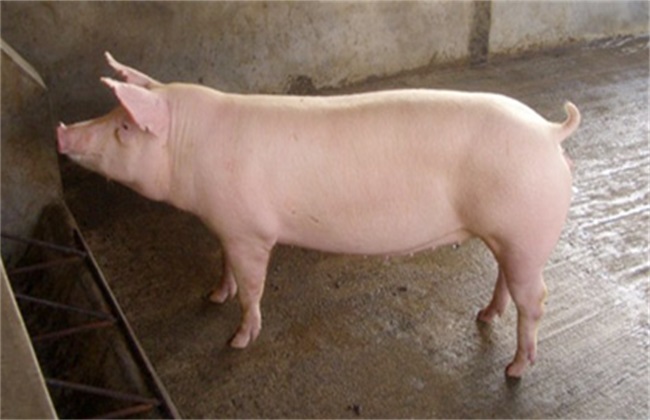
1. Pigpen Organization
The first thing to improve is the pigpen. Smallholders choose pigpens quite casually, generally using old, dilapidated houses, which completely fail to meet hygiene standards. Most smallholders' pigpens can be described as typically dirty, messy and poor. If you want good pigs, first fix up the pigpen. Such pigpens will affect fattening results by at least nearly 20%, meaning someone else's 5-month fattening results are better than your 6-month ones. So pigpen organization is the first problem smallholders must solve. It doesn't have to be spotless, but at least there must be a certain degree of separation between dry and wet areas.
2. Feed by Stage
For smallholders, fattening pigs means feeding them whatever is available, and the more they eat, the faster they naturally grow. In fact, this idea is wrong. Smallholders often find that among pigs raised at the same time, others' pigs are obviously a size bigger than their own, which is basically caused by unreasonable feed feeding. The focus of what is fed at the piglet, young pig and large pig stages differs, otherwise no matter how much you feed, the pigs' absorption capacity is not as fast as that of pigs fed reasonably by others, and they naturally grow better than others'. This is the second piece of management knowledge: mix feed according to needs.
3. Regular Disease Prevention
The feed fed by smallholders poses relatively large safety risks. When preparing pig food, some vegetables and the like are chopped and boiled directly without careful selection, and some spoiled or rotten ones may also be eaten by the pigs along with them. Some people also feed pigs pig food that is about to spoil, which is especially common in summer. Under such circumstances, the fattening results of the pigs become extremely low. Faced with this situation, smallholders can only alleviate it through regular disease prevention, routinely feeding some drugs that strengthen physique and resistance so the pigs themselves can withstand these possible problems.
4. Control Temperature and Humidity Well
This is a problem that many farms overlook, and also a mistake many smallholders make every day. Long-term dampness and stuffiness in the pigpen significantly increases the probability of various pig diseases, and secondly the probability of some parasites also rises as a result. Controlling temperature and humidity here refers to training pigs to defecate at fixed points; it only takes a few days for pigs to master this, and afterward there will not be manure water everywhere in the pigpen, so the pigpen will be relatively dry, and with good ventilation the temperature and humidity can be controlled well.
The above is the management knowledge for smallholder pig farming. Pig farming today cannot be done the way it was before; the gap between the farming efficiency of traditional methods and scientific farming is becoming increasingly obvious. If smallholders want to raise returns, they need to put more effort into this area.