What to do when white orchid magnolia has sparse leaves and few flowers? Seven solutions for you
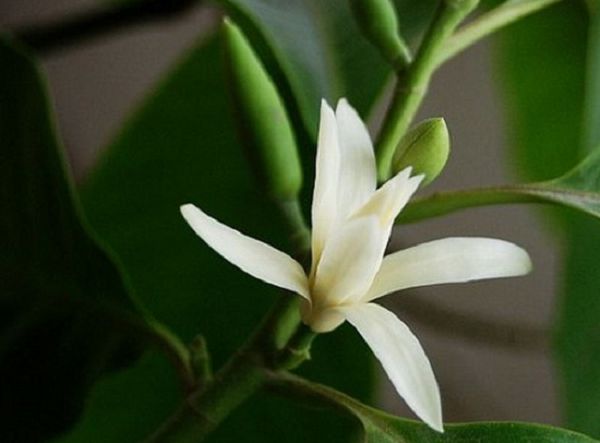
① Soil. Use fertile, loose, well-drained, slightly acidic soil, such as leaf mold or garden soil mixed with 1/5 vinegar residue.
② Fertilizer. Add a small amount of decomposed organic fertilizer when planting. During the peak growing season (May—September), apply a dilute decomposed organic fertilizer once every other week. If yellow leaves appear during cultivation, also spray the leaves with a 0.1{bf} ferrous sulfate solution once a week for 3 consecutive sprays.
③ Watering. Keep the soil moist at all times, but not too wet, and do not let it lack water. During hot seasons, frequently spray the leaves and surrounding environment to increase air humidity. In winter, watering should be controlled, and the leaves should be wiped with clean water at the same temperature as the room.
④ Light. Full light is required, with moderate shade around midday during hot seasons.
⑤ Temperature. In winter, the temperature should be kept at around 12°C, and the nighttime temperature should remain above 5°C.
⑥ Repotting. Repot once every other year, preferably in early spring.
⑦ Pruning. Along with repotting, moderately prune away dead, weak, diseased, and pest-damaged branches, but do not prune the roots. Every year in early spring when the white orchid magnolia is moved out of the room and after flowering, remove the lower old leaves.