How do you grow orchids so they bloom? Soil selection is a key part
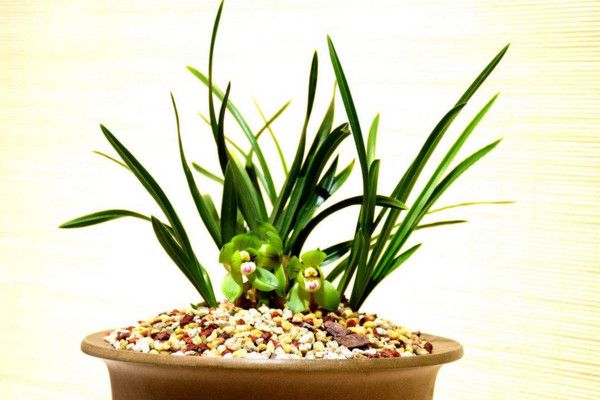
Orchids are one of China's ten most famous flowers, long regarded as a symbol of purity and elegance, and widely sought after. Orchids have fairly high requirements for blooming, and soil selection is the most important part of ensuring they bloom normally.
How to grow orchids so they bloom
1. Soil selection
Choosing suitable soil is the first step in getting orchids to bloom. Orchids are inherently somewhat delicate plants, and without a good soil environment they may well never bloom. They like loose, fertile, slightly acidic soil rich in humus, and generally you can use a nutrient soil made by mixing leaf mold, red soil and river sand.
2. Light conditions
Orchids like shade and are afraid of direct strong light, so they need to be grown in a ventilated, cool environment. In summer, when the weather is hot and the light is too strong, they should be kept indoors to avoid it, and should not be exposed to sunlight. But if you want them to bloom, they cannot do without light entirely; when the weather is warm and suitable, you can put them on a balcony to get some sun.
3. Water control
Orchids like moisture, which means that when growing them you must often keep the soil moist and not too dry. Generally, in spring and autumn water once every 2-3 days, and in winter once a week. Do not water too much, otherwise it will cause water to accumulate in the pot and rot the roots. Once the roots have rotted, the plant naturally cannot absorb nutrients for growth, which is also extremely harmful to blooming.
4. Reasonable fertilising
You cannot skip fertiliser, and you cannot over-fertilise either. If you fertilise too much in summer, it will cause vigorous leaf growth in autumn, taking away the nutrients available for blooming and resulting in no flowers or very few flowers. When fertilising, do not apply too much nitrogen fertiliser, otherwise it will upset the nutrient balance between leaf and flower growth and cause a failure to bloom.
5. Temperature requirements
Orchids like to grow in environments with a large temperature difference; the most suitable temperature is between 15°C and 25°C, and at night it should be around 12°C. Therefore, during the high temperatures of midsummer they should be kept in a cool environment, while in winter they should be moved indoors and given appropriate warming.
6. Timely pruning
During the growth of orchids, some leaves sometimes turn yellow; at this point they should be cut off promptly to avoid absorbing excess nutrients, while also keeping the leaves tender green all year round. At the same time, dead leaves and diseased leaves should also be pruned to prevent disease, which can harm the plant itself and also affect blooming.