How to grow stock (Matthiola incana)? A detailed guide to stock cultivation methods
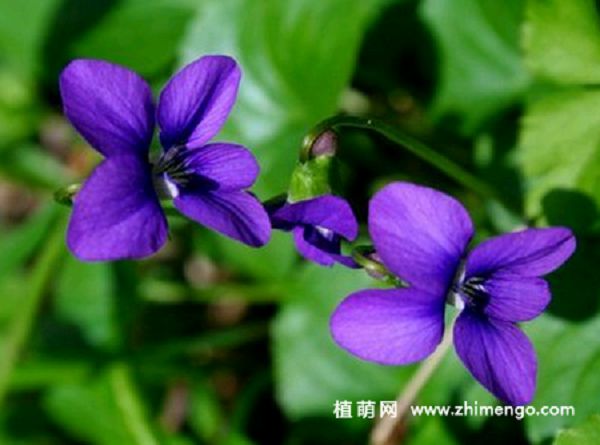
How to grow stock. Stock is a common flowering plant, and it is quite easy to grow. It can be grown in indoor pots or planted outdoors. Whether growing it indoors or outdoors, you need to understand stock's habits, suitable environment, watering and other matters. Below is a summary of everyday stock cultivation methods to help new flower growers.
Stock cultivation methods
1. Suitable environment
Stock flowers prefer a cool growing environment and climate. Planting them in soil with good drainage that is neutral to slightly alkaline is more conducive to the growth and development of stock flowers. Stock flowers are cold-tolerant but not shade-tolerant, and they fear waterlogging. They need an environment with sunlight exposure, good ventilation and good drainage.
2. Potting soil preparation requirements
Stock is not strict about soil requirements, but it grows better in well-drained, neutral to slightly alkaline soil. Generally, use 5 parts leaf mold, 3 parts garden soil and 2 parts decomposed manure soil, or mix 6 parts leaf mold with 4 parts sandy loam. At the same time, leaf mold, peat soil and sandy soil can also be mixed evenly in equal parts.
3. Sufficient sunlight exposure
Stock likes plenty of sunlight, but is also slightly tolerant of partial shade. If light and ventilation are insufficient, it is prone to pests and diseases.
4. Controlling water amount by season
Watering stock flowers during the growing period is crucial. In spring, watering should not be excessive, otherwise it will cause stock stems and leaves to rot and affect flowering. In summer, stock should be watered more, and water should also be sprayed around it, which can effectively increase the humidity in the air; otherwise, the flower stalks will droop and the flowering period will be shortened. In autumn and winter, as temperatures gradually drop, watering should be appropriately reduced.
5. Temperature control in different seasons
Stock likes a warm winter, a cool summer and a well-ventilated environment. In winter, it can withstand a brief low temperature of -5°C. It dislikes dry heat. The suitable temperature for flower bud differentiation is 15°C.
6. Fertilizing to supplement nutrients
Stock flowers should be given dilute fertilizer during growth and development. Growers should apply a dilute, well-decomposed liquid fertilizer combining nitrogen and phosphorus, or a compound chemical fertilizer, about once every 10 days. At the same time, growers should note that nitrogen fertilizer application should be scientific and reasonable, otherwise it will cause stock leaves to grow excessively and affect normal flowering. The best ratio of nitrogen, phosphorus and potassium fertilizer is 1:1:1.
7. Pruning after flowering
After stock flowers bloom, the spent flowers should be cut off so that new branches can sprout and bloom again. The flowering period starts in mid-April, and a second bloom occurs from June to July.