Why do thyme leaves turn yellow, and how should it be solved?
Thyme has extremely high ornamental value and is quite suitable for indoor cultivation, but during cultivation the phenomenon of leaves turning yellow often occurs, seriously affecting its ornamental effect. So what causes thyme leaves to turn yellow? How should it be solved? Let's take a look together.
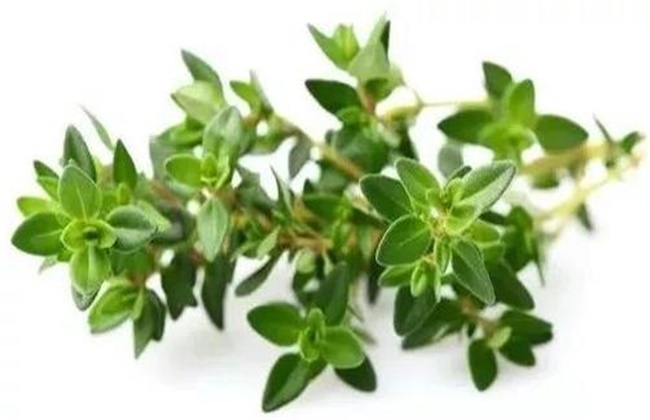
1. Inappropriate light
Thyme has relatively high light requirements. Insufficient light will cause thyme to grow leggy, resulting in yellowing leaves. If the light is too strong, exposure to the sun can also cause the leaves of thyme to burn, thereby causing the phenomenon of yellowing leaves. The suitable growth temperature for thyme is 20-25°C; it is a cold-tolerant plant that is not heat-tolerant.
Solution: When light is insufficient, promptly place it in a place with sufficient light, but at noon it needs appropriate shading, especially during the high-temperature and strong-light period in summer. If the leaves turn yellow because the light is too strong, understand that it should be placed in a cool and ventilated spot, watered appropriately, and exposed to scattered light, and it can recover after a period of care.
2. Improper watering
The leaves of thyme are fleshy, so it has a certain drought resistance, but it is not tolerant of waterlogging. Too much watering will cause its root system to have difficulty breathing, and over time will cause root respiration problems, resulting in a large amount of leaf drop and yellow leaves. But too much watering can also cause yellow leaves, and the yellowed leaves will also become noticeably thinner, while leaves that have not turned yellow will also appear wilted and soft.
Solution: When we find that thyme leaves are withered and yellow, we should place it in a cool and ventilated spot to dry, and wait until no water flows out of the potting soil, then put it back into the flower pot and replant it. In severe cases, the rotted root system needs to be replanted. If yellow leaves are caused by too little watering, water it promptly.
3. Improper fertilizing
Thyme grows relatively slowly. It does not need too much fertilizer. In spring and autumn, when growth is vigorous, applying a strong fertilizer once every half month is sufficient. In summer, when the temperature is too high, fertilizing should be stopped, otherwise excessive fertilizing can very easily cause the plant to rot at the roots and die. But fertilizer also must not be applied too concentratedly or too frequently. Once fertilizer is applied too heavily or too frequently, thyme is very prone to yellowing leaves.
Solution: Fertilizing must be controlled properly. Before fertilizing, it is recommended to dilute it first and then apply it, preferably along the edge of the pot when repotting. Be careful not to let the fertilizer solution drip on the leaves, so as to avoid causing the leaves to turn yellow and rot.
4. Pests and diseases
Pests and diseases can also cause thyme leaves to turn yellow, so during ordinary care, keep the air circulating, promptly clean up dead branches and fallen leaves, observe the plant's surrounding environment more often, and keep the growing area clean. When there are relatively few pests, you can wipe the seeds clean with a soft-bristled brush, or spray insecticide. Remember that once discovered, prevention and control must be carried out promptly, otherwise after a long time it will be difficult to save the plant.
The above is an introduction to yellowing thyme leaves and solutions. I hope it can help you. To learn more related knowledge, please follow us.