How to Grow and Care for Chloranthus, Plus Key Points to Note
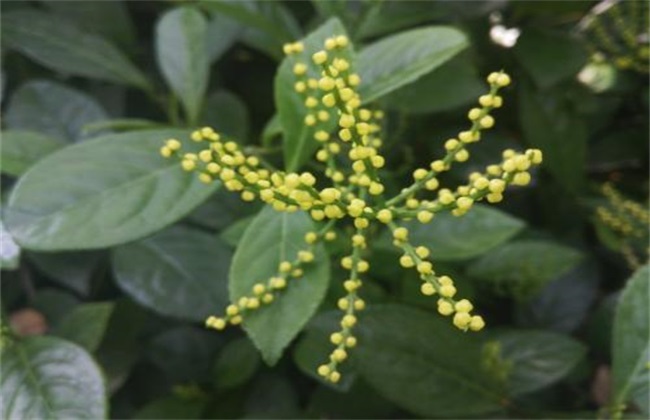
Chloranthus is a perennial evergreen herbaceous plant in the family Chloranthaceae. It is very widely distributed across various regions of China, has high ornamental value, and is popular with many people. Its flowers and rhizomes can also be used to extract aromatic oil, and the whole plant has medicinal value. So how should Chloranthus be grown? Today, the editor brings you the growing methods for Chloranthus. Let's take a look below!
1. Soil Selection
Before growing Chloranthus, we first need to choose a suitable soil environment for it. Chloranthus likes to grow in a warm, shady, and moist environment. Although its requirements for soil are not very strict, it grows better in well-drained, humus-rich acidic soil. Therefore, if you want to increase the value of Chloranthus, pay attention to choosing the right soil. If growing it in a pot, we can mix leaf mold, peat, and so on into a growing medium for planting, and the results are very good.
2. Fertilizer and Water Management
Chloranthus likes to grow in a moist environment, so when planting Chloranthus, we should pay attention to watering properly. Maintain a moist environment to ensure normal growth of Chloranthus. However, when watering, be careful not to water too much, to avoid water accumulating in the soil, causing root rot from excess water, which instead affects the growth of Chloranthus. Then we also need to fertilize properly, generally once every half month or so, mainly with liquid fertilizer, to ensure the nutrients needed for Chloranthus growth are met and to promote flowering.
3. Light Control
Light is also very important for the growth of Chloranthus. As just mentioned, Chloranthus prefers to grow in a shady and moist environment. So Chloranthus does not need much light. When growing Chloranthus, we should pay attention to shading it properly to avoid direct sunlight on the leaves, which can cause leaf scorch. Especially in summer, it must never be placed in an open outdoor environment for exposure to the sun. Otherwise, it is very likely to cause sunscald in Chloranthus, affecting its growth.
4. Temperature Control
Temperature is also an aspect that needs extra attention when growing Chloranthus. Chloranthus likes to grow in a warm environment, and its cold tolerance is relatively poor. Therefore, we should also pay attention to controlling the temperature well, especially in winter, when the temperature is best kept above 10°C to avoid cold damage to Chloranthus from excessively low temperatures. But similarly, in summer the temperature should not be too high either; when the temperature is too high, it should be kept below 30°C to prevent excessively high temperatures from causing too-rapid evaporation of water from the leaves and leading to leaf dehydration.
The above is a brief introduction to the growing methods for Chloranthus. That is all for today's introduction. This article is for reference only, and we hope it can help everyone!