How to grow redbud? Detailed explanation of cultivation methods and precautions
Redbud is a very beautiful flowering plant. It has low requirements for its growing environment, and can be planted in gardens and scenic areas as well as grown as a potted plant. Many people in daily life want to grow redbud but do not know where to start. Below, let's take a look with the editor at the cultivation methods and precautions for redbud.
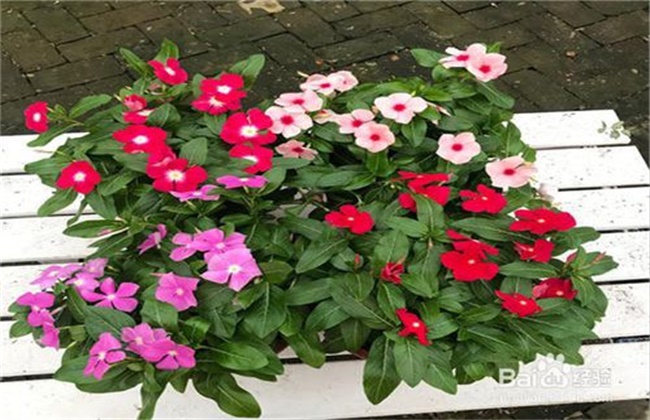
I. Cultivation methods
1. Light
Redbud likes light. Only a place with sufficient light can make it grow vigorously. It has a certain degree of cold tolerance. In North China, adult seedlings can overwinter safely without any protection. But in hot summer, redbud must not be exposed to direct strong light, otherwise it is very easy to wither, so it can be moved indoors or to a shady place.
2. Watering
Redbud likes a moist environment. After planting, water it thoroughly immediately, then water once each on the second day and the sixth day, after which it enters normal management. The later watering frequency and amount should be properly adjusted according to the climate at the time. In principle, keep the soil moist but not waterlogged, so as to avoid root rot from prolonged soaking.
3. Fertilizing
Redbud likes fertilizer. Only with sufficient fertilizer can it have lush branches and leaves and bright flower colors. When planting, apply sufficient base fertilizer, mainly leaf mold, barnyard manure, or dried chicken manure. Mix the fertilizer thoroughly with the soil to avoid the roots directly touching the fertilizer and being damaged. After that, apply a nitrogen fertilizer once each year after flowering to promote vigorous plant growth. Phosphorus and potassium fertilizers help flower bud differentiation and the lignification of new branches, so they should be applied in autumn. In winter, apply organic fertilizer together with watering, which can ensure the plant overwinters safely. When the plant grows poorly, a low-concentration mixed solution of monopotassium phosphate and urea can be sprayed.
4. Pruning
Redbud has a strong branching ability, so pruning is needed during the growing period to achieve the desired tree shape. After the seedlings are transplanted, they can be cut back to encourage more new branches to sprout. In the spring of the second year, cut back again. After new branches sprout, choose 3 branches with better growth to keep, and cut off all the remaining branches.
II. Precautions
During the cultivation of redbud, some pests and diseases often appear. Angular leaf spot, wilt disease, and others are its frequently occurring diseases. In ordinary times, to reduce the occurrence of these diseases as much as possible, diseased branches and leaves should be cleaned up in time in autumn and burned in a centralized way, and carbendazim should be sprayed at the peak of the disease. During the growing period, not only diseases but also insect pests occur, such as aphids and slug moths, which are all frequently occurring pests. Pyrethroid emulsifiable concentrate can be used, or 1605 can be diluted and then sprayed, both of which can control the pests very well.
The above is an introduction to the cultivation methods and precautions for redbud. We hope it can help you. If you want to learn more related knowledge, please stay tuned to us.