Why does an orchid have black spots on its leaves
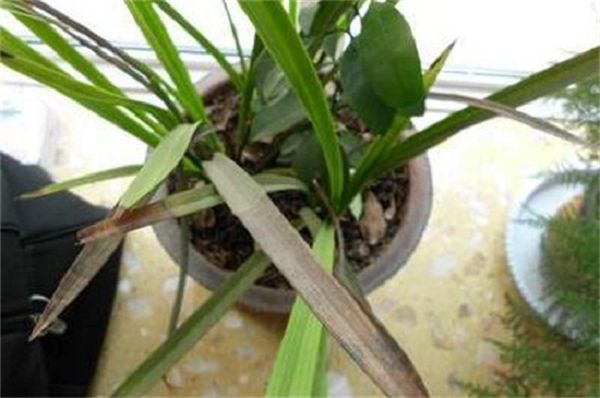
When black spots appear on orchid leaves, they are caused by multiple reasons. If the light is too strong, move the plant to a shaded, ventilated spot, and during normal care mainly let it receive diffused light. If it is overwatered, stop watering and carry out appropriate soil replacement. If the temperature is too high, move the pot to a cool, ventilated place, and also do a good job of preventing pests and diseases.
How to deal with black spots on orchid leaves 1. Shading treatment
Orchids differ from other flowering plants in that they do not have high light requirements. If during care the plant is often placed outdoors in direct sun, the leaves easily become scorched and develop spots. So what should be done? At this point, cut off the withered leaves, move the pot to a place indoors with weak, ventilated light, and normally mainly let it receive diffused light.
2. Reasonable watering
Orchids like to grow in moist potting soil, but if too much water is given when watering, or if the water is poured over the flowers and leaves, the root system will rot, and many black spots will appear on the leaves and they will gradually wither. At this point, stop watering, take out the root system, cut off the rotten roots and dead roots, replant, and pay attention to ventilation. Normally, watering should be done so that the potting soil is kept moist.
3. Cooling treatment
Orchids are relatively sensitive to temperature changes. If they grow in an environment with high temperature and poor ventilation, pests and diseases easily breed, and the leaves will gradually turn black and yellow. At this point, place the plant in a cool, ventilated place. When the temperature is too high, carry out appropriate water spraying to lower the temperature, and also make sure ventilation is optimal.
4. Pest and disease prevention
When many black spots appear on orchid leaves, you should consider that it has been harmed by anthracnose, brown spot disease, red spider mites, aphids, and so on. After the disease develops, many black patches appear on the leaves, ultimately causing the plant to grow weaker. At this point, promptly cut off the diseased plants, keep the leaf surface dry, and use a thin solution of chlorothalonil or omethoate for spraying to control it.