How to Grow Calendula? Detailed Guide to Cultivation Methods and Precautions
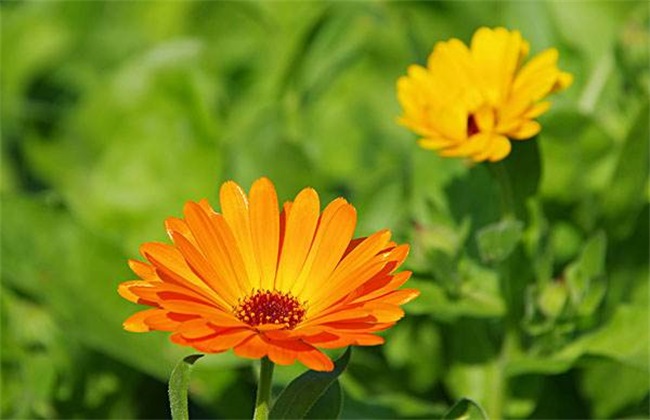
Calendula is a biennial herbaceous plant in the Asteraceae family with very high ornamental value. It is distributed throughout various regions of China, and calendula is very well suited for decorating gardens and cities. Moreover, calendula is rich in vitamins, can be used to make tea, and also has the effects of relieving spasms and promoting digestion. So how should calendula be cultivated? Today, the editor brings you the cultivation methods and precautions for calendula. Let's take a look together!
1. Soil Selection
Before cultivating calendula, we first need to choose the planting soil well. The soil should mainly be deep, loose, and well-drained. Each spring, after the temperature gradually rises and the soil's cultivated layer slowly thaws, good land preparation work should be done, plowing the soil about 22 cm deep. Break up the surface soil into fine particles, then press the soil and level the field surface. During land preparation, we can also apply an appropriate amount of base fertilizer according to the soil's fertility. The base fertilizer should mainly be organic fertilizer, combined with an appropriate amount of nitrogen fertilizer, phosphorus fertilizer, and other compound fertilizers.
2. Propagation Methods
Calendula propagation is mainly done by seed sowing. The best sowing time is autumn and early spring, and if conditions permit, sowing can be done in a greenhouse. First, select good seeds, mainly plump seeds without wounds, and remove shriveled seeds. Under normal circumstances, the weight of 120 seeds is about one gram. It is best to disinfect and pregerminate the seeds; if growing in pots, the soil also needs to be disinfected. After sowing, cover with a layer of fine soil, and germination can occur in about a week. The germination rate of the seeds is generally around 80%, and their viability can last up to three years.
3. Water and Fertilizer Management
Calendula has a relatively high demand for water; if water is insufficient, it will cause the plant to be short and reduce its ornamental value. However, overwatering can easily cause the plant to grow leggy and reduce the flowering rate. Therefore, we should pay attention to controlling watering well; generally, water once each in June, July, and August. Control the amount of watering according to the soil moisture, and then during the bud stage, watering should be combined with fertilization. To improve the flowering rate and flower quality, if the purpose is to harvest fresh flowers, then appropriate foliar fertilization should also be applied to increase the number of flowers.
4. Precautions
When planting calendula, temperature is something we need to pay close attention to. The temperature for calendula growth is generally around 5-15°C. If the temperature is too low, pay attention to covering with film to avoid frost damage, but the winter temperature should not exceed 10°C, otherwise calendula is prone to leggy growth. In summer, pay attention to cooling down to avoid high temperatures affecting calendula growth. Then also pay attention to controlling light well; it must not be exposed to direct light, to prevent the leaves from being scorched. However, it also must not be placed in a dark environment, otherwise it is also very unfavorable to its growth.
The above is a brief introduction to the cultivation methods and precautions for calendula. That's all for today's introduction. This article is for reference only, and we hope it can help everyone!