What are the precautions for raising pigs on fermentation beds in winter?
Winter temperatures are low, especially in the north where it is particularly cold, which is a challenge for farmers and breeders, so fermentation bed farming technology is becoming more and more popular, as it can significantly increase indoor temperatures in winter. So what should be noted when raising pigs on fermentation beds in winter? Follow the editor to take a look.
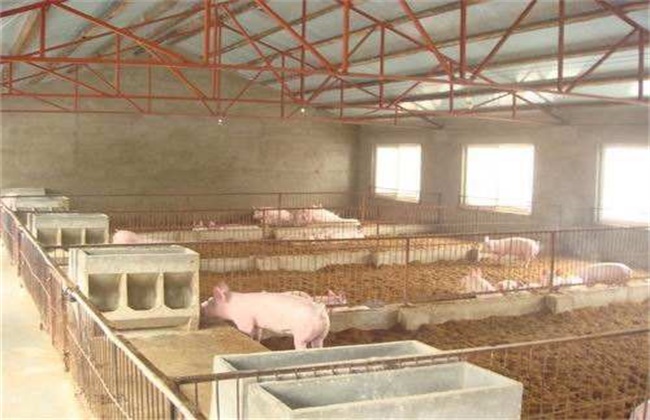
1. Litter requirements
The litter should maintain its spatial structure so that air can easily enter the gaps in the litter and normal fermentation can continue. After a period of use, the physical properties of fresh litter will change, and it is very prone to caking, stickiness, and decreased air permeability. Being dry is the key to the normal operation of the fermentation bed. You can keep the litter dry by strengthening ventilation in the pig house, doing a good job of cold protection and warmth preservation for the pig house, replenishing the litter, maintaining the litter thickness, and reducing the stocking density.
2. Regular maintenance of the litter
Turn and spread the litter evenly according to the accumulation of manure and urine and the moisture of the litter, so as to avoid excessive humidity causing the phenomenon of a waterlogged bed. In winter, fermentation bed technology can be used. During farming, the thickness of the litter can be appropriately increased, but it must not be less than 70 cm at the minimum. To improve fermentation intensity, methods such as increasing the amount of bacterial strains and spraying brown sugar water can be used, so that the deodorizing, environmentally friendly, and heat-preserving effects of the fermentation bed can be brought into full play. Regular replacement should be done well, generally once every 2-3 years, which can be determined according to the pig stocking density and specific use conditions.
3. Ventilation
Many farmers often encounter a conflict between ventilation and warmth preservation during the farming process, and when the temperature is low they tightly close all kinds of ventilation openings, which is actually a wrong practice. When using fermentation bed farming technology, ventilation in winter cannot be omitted; otherwise, due to strong ammonia odor, high humidity, and poor ventilation, the aerobic microorganisms in the fermentation bed will die from lack of oxygen, causing the fermentation bed to fail. Therefore, fermentation beds in winter also need ventilation. When the daytime temperature is good, all ventilation openings can be opened, while at low temperatures or at night some ventilation openings can be left for air permeability, and they must not be completely closed.
4. Other fruit granules
Winter temperatures are low, so attention should be paid to drinking water temperature. Pigs should not directly drink cold water. Cold water can be heated before being given to the pigs to drink, or deep groundwater can be pumped for the pigs to drink. Winter temperatures are low, and most of the pig's body heat is used to resist severe cold, so body weight will inevitably decline. The feed intake can be appropriately increased to fill the body weight deficit caused by the heat produced by the metabolism of fat and muscle in the pig's body due to low temperatures. The energy level of the feed can be increased by about 10%.
The above is an introduction to the precautions for raising pigs on fermentation beds in winter. I hope it can help you. If you want to learn more related knowledge, please follow us.