What to Do When Clivia Leaves Turn Yellow? Cause Analysis and Solutions
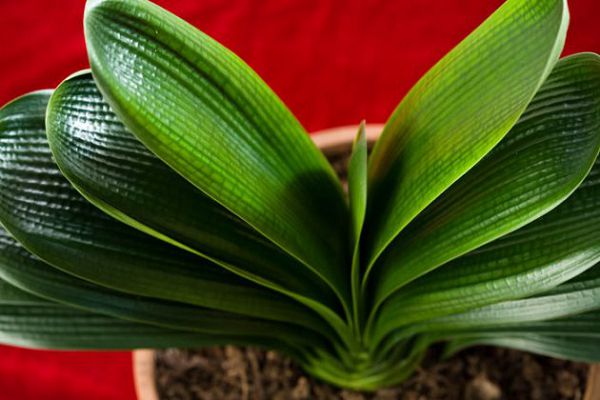
Clivia is one of the most popular flowers. Even before it blooms, its evergreen leaves throughout the four seasons look quite nice, and when it does bloom, it is even more beautiful. That is why many flower lovers keep one or several pots of Clivia at home.
If Clivia is grown properly, it can grow very well. But if it is grown improperly, some unexpected problems can occur. This is especially true for beginners. Many novice flower lovers will, after growing it for some time, experience root rot in severe cases or yellow leaves in mild cases. So what causes yellow leaves on Clivia, and what should be done once yellow leaves appear? Today Huar Gu will introduce this to everyone.
1. Improper watering
Yellow leaves on Clivia are generally caused by improper watering, which is also one of the higher-risk problems for beginners growing Clivia. A common form of improper watering is excessive watering, which causes water to accumulate in the pot and soak the roots. Once this happens, the first sign is yellow leaves. In more serious cases, the leaves rot and the roots rot.
Therefore, when growing Clivia, we must water according to the rule of watering when dry and letting it dry out between waterings. Watering needs to be done thoroughly at one time, and we must pay attention to whether water accumulates in the flowerpot. Otherwise, a single oversight can lead to irreversible situations.
2. Improper lighting
Clivia is a semi-shade plant. Once it is exposed to strong light, yellow leaves can occur. This is especially true in summer, when sunlight is relatively strong and the plant is easily scorched by the burning sun. Once scorched, the yellow leaves are also irreversible. Conversely, if it is kept for a long time in a dark place with insufficient light, the leaves will also turn yellow and lose their luster, and in serious cases bacteria can breed and cause the plant to rot.
Therefore, when growing Clivia, we must be sure to provide timely shade when the sunlight is relatively strong. When the sunlight is relatively weak, it can receive sunlight. Normally, keeping it in a place with plenty of scattered light is enough.
3. Improper fertilizing
Improper fertilizing is also one of the reasons beginners are relatively likely to cause yellow leaves on Clivia. Everyone who grows flowers and green plants hopes they will grow vigorously. Because beginners cannot grasp the amount of fertilizer well, unexpected fertilizer damage often occurs. After we fertilize, if the Clivia leaves turn yellow, it means the fertilizing may have been excessive.
Therefore, no matter what kind of flowers or green plants we grow, using fertilizer according to the principle of thin fertilizer applied frequently is relatively suitable, especially for beginners! Once excessive fertilizing occurs, we need to promptly flush with a large amount of water to dilute it and then promptly clean up the accumulated water, so the plant can return to a normal growth state. Or we can directly replace the soil and replant, which can also save Clivia suffering from fertilizer damage.
4. Other problems
Some diseases can also cause yellow leaves on Clivia. At this time, timely targeted prevention and treatment are needed, using special medication for yellow spots. If some old leaves gradually turn yellow while the new leaves remain glossy and do not droop, it is generally a natural metabolic phenomenon. When some flower seedlings have been growing for a relatively long time, the old leaves will turn yellow, dry up and die.