Do Orchids Need Sunlight? A Detailed Guide to Orchid Light Care
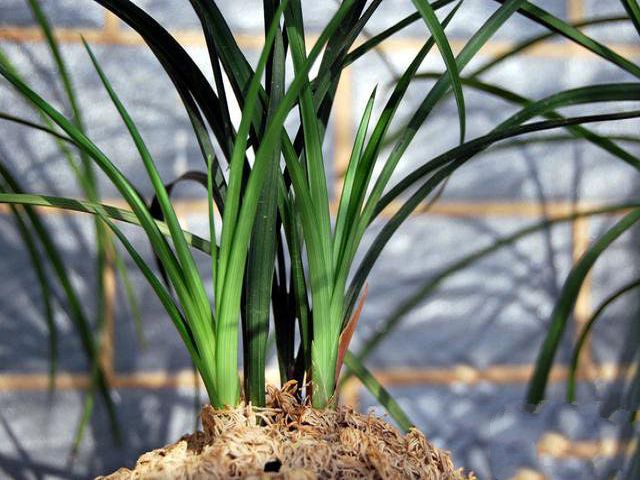
Orchids need sunlight. When light is insufficient, photosynthesis cannot proceed fully, which affects growth and easily leads to leggy leaves and failure to bloom, greatly reducing their ornamental value. However, orchids have different light requirements in different seasons. Only by following their growth patterns and promptly supplementing or reducing light can they grow well and achieve the ornamental purpose. Regarding the intensity and duration of light for orchids, my views are as follows:
Orchids' Light Requirements in Different Seasons
1. In winter, expose them to as much sun as possible
In winter, light is weak, and most orchids are in the dormant stage, with growth basically at a standstill, so they should be exposed to as much sun as possible. On one hand, this can raise the temperature of the micro-environment, prevent the leaves from freezing due to excessively low temperatures, and also help improve leaf color. On the other hand, many orchids have flower buds in winter, and more sun exposure is beneficial to bud growth, making it easier to bloom smoothly and produce high-quality flowers. Orchids with sufficient light will also produce especially fragrant flowers. However, note that some orchid leaves are not tolerant of sun exposure, and even in winter they should be slightly shaded, or the strong midday sun should be avoided, with more sun exposure in the morning and afternoon. For example, with Cymbidium sinense, leaf color tends to change under strong light, and a little shading at noon in winter can keep the leaves glossy and deep green.
2. In spring, expose them to moderate sun
Spring is the peak growing season for orchids, and many orchids bloom in spring and send out new shoots after flowering. Therefore, a certain amount of light should be ensured during this period, so that photosynthesis is sufficient, flowering quality is high, and more new shoots are produced and grow quickly. However, as temperatures rise in spring, light intensity also increases step by step, so pay attention to weather changes and provide appropriate shading to prevent sunburn on the leaf surface. Generally, when the maximum temperature is not higher than 20 degrees, they should be exposed to more sun. When the maximum temperature is above 20 degrees, shading should be gradually introduced, or the strong midday sun should be avoided. When the maximum temperature is above 28 degrees, no matter what variety of orchid it is, shading care must be used or sun exposure should be chosen during periods of weaker light. Especially in southern regions, the sun in March and April is already quite strong, so early shading is very necessary.
3. In summer, expose them to less sun
After summer begins, orchids should be exposed to as much sun as possible before 10 a.m., which helps growth and flower bud differentiation. The morning sun is especially beneficial for flower bud differentiation, so if conditions allow, expose them to it; if conditions do not allow, create the conditions to expose them to it. After 10 a.m., shade 50%~80% to prevent excessive light from causing unnecessary trouble. Those who cannot conveniently provide shading can place them in diffused light for care. The sun after 6 p.m. can also be used for exposure, but at this time, expose them if you can, and if conditions do not allow, you may also skip it. When the maximum temperature is above 35 degrees, except for the morning sun, orchids can be cared for in fully shaded conditions during other periods, and light can be gradually increased after the intense heat passes. In summer, orchids cared for in different environments also need different shading intensities. If they are cared for outdoors in a well-ventilated environment, the shading intensity can be weaker. If they are cared for indoors in a poorly ventilated environment, the shading intensity should be stronger. In short, letting orchids bask in the sun in summer should be flexibly adjusted according to weather changes.
4. In autumn, expose them to more sun
After the Start of Autumn, the flower buds of most orchids gradually become visible and enter the flower bud gestation period. At this time, light is also very important. Only sufficient light can allow the flower buds to grow healthily and cope with the cold winter. In autumn, both temperature and light intensity are declining, so sun exposure is the opposite of spring, and intensity and duration should be gradually increased. Just after the Start of Autumn, the light is still relatively strong, so provide appropriate shading or avoid the strong midday sun. By late autumn, the light is relatively weak, so they can be exposed to sun all day long, and together with winter, let the orchids fully enjoy the warmth of the light.
The Harm of Not Exposing Orchids to Sun
In the process of growing orchids, what are the consequences of insufficient light? First, the leaves become thin and long, the leaf color becomes lighter, and the glossiness fades or disappears. Second, they do not bloom easily, with only leaves and no flowers. Third, resistance declines, making them prone to pests and diseases. Fourth, growth is slow, with few new shoots produced and slow growth.
Which Orchids Are Not Suitable for Sun Exposure
The sun exposure rules described above are for healthy orchids. If an orchid is not healthy, or has just been repotted, sun exposure cannot follow the above rules and should be treated differently. If an orchid has just been repotted, it should first be cared for in a cool place, and after it has adapted to the pot, light intensity should be gradually increased. If an orchid is sick, it should be kept in diffused light or semi-shade, treated promptly with medication, and cared for until it recovers its health.
Summary: When growing orchids, they must be exposed to sun, and in different seasons, orchids' light requirements are different and constantly changing. Different varieties of orchids also have different light requirements, but the differences are not very large. They basically follow the four-season light requirements described above, and you only need to make small adjustments according to your own orchid variety.