How to Propagate Chloranthus: Cuttings, Division, and Layering Methods
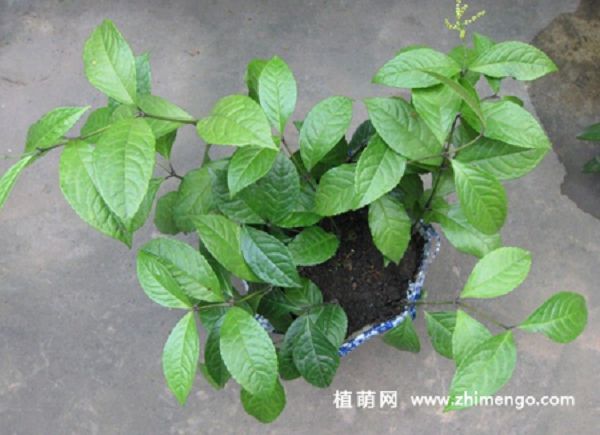
How to propagate Chloranthus: Chloranthus can be propagated through cuttings, division, and layering, and the methods are not difficult to carry out. Below is a summary of the operating steps for the three propagation methods of Chloranthus.
How to Propagate Chloranthus
1. Cutting Propagation Method
Chloranthus cuttings can generally be taken in spring, the plum rain season, and autumn.
Generally, take cuttings before spring budding. First, cut one-year-old healthy branches into cuttings about 15 cm long. After planting, they can take root and survive in about 50 days. For plum rain season cuttings, take stout, well-developed semi-mature branches to make cuttings. After planting, shade 60%-70% of the sunlight and keep the environment moist. They can take root and survive in 3-4 weeks. For autumn cuttings, do it in August-September after the flowering period ends. Select the portion above the middle of the current year's branches that have finished blooming, and cut them into sections 3-4 nodes long as cuttings. After planting, cover with plastic film to retain moisture and shade 60%-70% of the sunlight. They can take root and survive in 15-20 days. New plants from successful cuttings grow much more vigorously than new plants from division propagation. Generally, young plants can bloom after 2-3 years of cultivation.
2. Division Propagation Method
Chloranthus division propagation can be done in March-April each year, combined with repotting.
First, take the plant out of a full pot and divide it into several small clumps from the weak points where the root systems join. Each small clump should retain as many roots as possible. If there are many upper leaves, cut off more than half to help survival and recovery of growth. Then plant them separately.
3. Layering Propagation Method
Chloranthus layering can be done in April-June each year. First, press the branches onto the ground or pot surface with soil. Roots form in about 40-50 days. When Chloranthus has enough roots, it can be separated from the mother plant, and then gardeners only need to plant them separately.