Detailed Explanation of Key Points in Breeding Duck Management Techniques
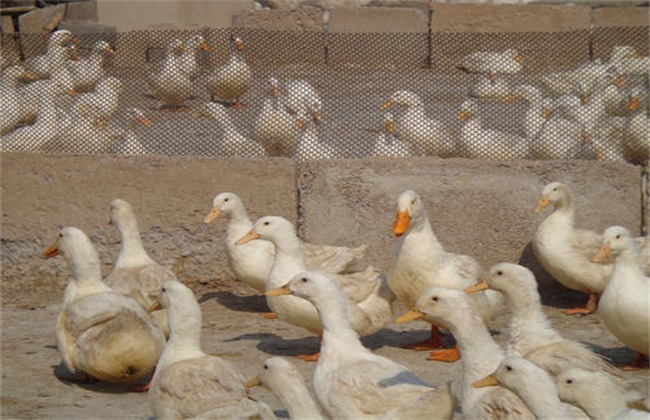
If you want to ensure the quality of the ducklings at your farm, then the breeding management of breeding ducks is very important. Raising breeding ducks is different from ordinary laying ducks and meat ducks. Breeding ducks tend to need high-quality breeding services and balanced development in all aspects to produce high-quality breeding ducks. Let's learn below how to raise breeding ducks!
1. Control the ratio
A major key in breeding duck management is controlling the male-to-female ratio well. This ratio will greatly affect the fertilization rate of the ducks. The higher the rate, the more the hatching success rate of duck eggs will naturally increase significantly. The male-to-female ratio needs to be adjusted appropriately according to the season. For example, when the weather is colder and the ducks are less active, the male-to-female ratio should be controlled at about 1:8. If the ducks are in an active peak production period, the proportion of female ducks can be appropriately adjusted to about 10-12. The higher the ratio, the more you must always pay attention to the condition of the male ducks, so as not to fail to meet production demand.
2. Feeding management
Feeding is the foundation of raising breeding ducks well. Only when feed is guaranteed can the ducks have sufficient nutrients for production. Breeding ducks have relatively strict requirements for feed. From the proportion of concentrated feed to roughage, feeding must be carried out strictly according to each stage. Next is the feeding of fresh green grass, which is the key point for ensuring the vitamin needs of breeding ducks. The forage must be fresh and diverse. Some other trace elements need to be added by the breeder into the feed. Finally, it is necessary to regularly feed some insects, small fish and small shrimp and the like. This is a protective measure for high production of breeding ducks.
3. Daily management
The daily management of breeding ducks is also relatively complex. After the breeding ducks are released for grazing, the duck house must be cleaned, some extremely damp bedding must be replaced, and ventilation must be provided to ensure a dry and sanitary environment in the duck house. Breeding eggs should be disinfected in time and then placed in the incubation room. After grazing ends, the duck flock needs to be properly driven to let them walk for a period of time, which helps their body temperature recover quickly. At night, the duck house should be monitored to control the duration of lighting, which can increase egg production to a certain extent. In addition, a quiet environment must be maintained to avoid disturbing the breeding ducks while they lay eggs.
4. Timely molting
The annual egg-laying period of breeding ducks is about 8-10 months, after which they stop laying and undergo molting. The molting period lasts about 3 months. Artificial molting can reduce the length of this rest period, giving the ducks a longer egg-laying period and also reducing the length of the low egg-production period. Molting means reducing the amount of feed for the ducks, then disturbing them, waiting for them to become thin and lose feathers on their own, and then manually plucking the feathers. However, recovery after molting should be done slowly and step by step; do not rush for quick results.
The above is the breeding management of breeding ducks. Many people habitually raise breeding ducks as laying ducks, and then say that the fertilization rate of breeding ducks is extremely low. The breeding method is wrong, and laying ducks cannot be raised well. By doing these management tasks well, I believe everyone's breeding duck production can be greatly improved.