How to Fertilize Monstera Deliciosa? Fertilization Methods and Precautions
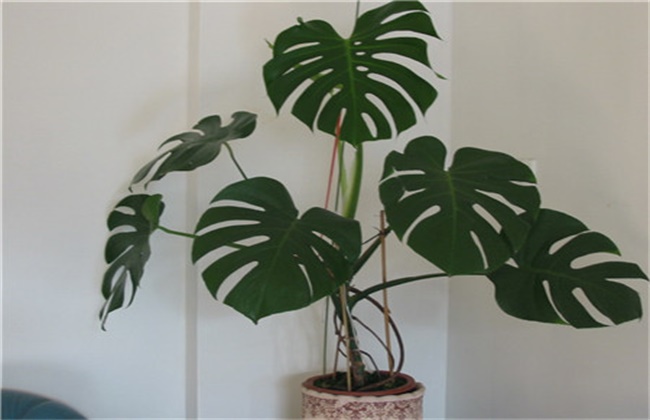
Monstera deliciosa (swiss cheese plant) is a perennial woody climbing evergreen shrub, named for its leaves that resemble the back of a thousand-year-old turtle, and it is a common foliage plant in daily life. When growing it, what fertilizer to use is a headache for many people, so how should it be fertilized? Let's take a look together.
1. Spring Fertilization
Although many people know how to fertilize Monstera deliciosa, the fertilization method differs in every season. In spring, temperatures rise and there is more rain, but in early spring the temperature is still relatively low. If the temperature has not reached above 26°C, then do not fertilize Monstera deliciosa. Once the temperature is suitable, apply a small amount of urea or a small amount of special flower fertilizer once a week, which will help it grow well.
2. Summer Fertilization
Summer is the period of vigorous growth, when the demand for fertilizer is relatively high, but one thing to note is that when the temperature exceeds 30°C, fertilization must be stopped, otherwise it may have the opposite effect. In addition, some cooling and humidifying measures should be used to prevent Monstera deliciosa from being harmed by high temperatures, and it should also be moved to a ventilated indoor spot for care, to avoid dying from strong sunlight and sunscald.
3. Autumn Fertilization
In autumn the temperature gradually turns cooler, and this avoids the harm to Monstera deliciosa from both low and high temperatures, making it the period most suitable for its growth. When the temperature is between 16-30°C, the fertilization frequency can be appropriately increased to promote the growth of Monstera deliciosa. The fertilizer should still be mainly special flower fertilizer, and some urea or monopotassium phosphate can be appropriately added. The fertilization frequency can be increased to 3-4 times a week, but pay attention to the fertilizer concentration and follow the principle of light fertilizer applied frequently; if concentrated fertilizer is used directly, it may cause fertilizer burn, causing yellowing leaves and, in severe cases, plant death.
4. Winter Fertilization
In winter the temperature is generally low, usually below 16°C, and the plant enters a dormant period. The root system basically stops its activity, so fertilization of Monstera deliciosa should be stopped at this time. During the day, place it in a spot with ample light for care so it can get more sun, while at night it should be moved into a greenhouse for care to avoid frost damage from low temperatures.
The above is an introduction to how to fertilize Monstera deliciosa. We hope it helps you. To learn more related knowledge, please follow us.