What are the precautions for using microbial inoculants?
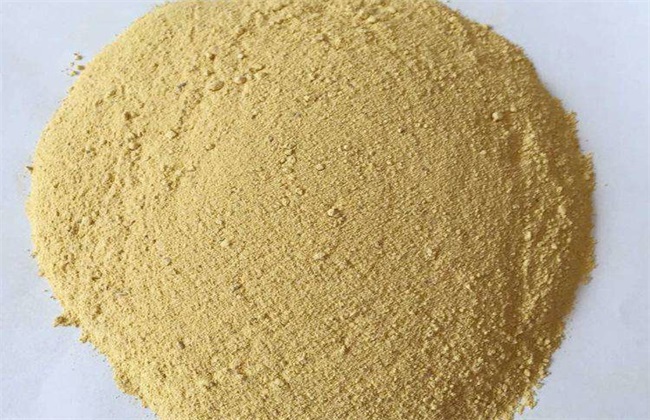
Microbial inoculants are a type of fertilizer product that is used extensively in agricultural production. Microbial inoculants are also an indispensable substance for producing pollution-free crops. Therefore, the market for microbial inoculants is growing larger and larger, and when we use microbial inoculants, there are many points that require our close attention. So today, the editor will introduce the precautions for using microbial inoculants. Let's take a look!
1. Pay attention to temperature and humidity
When using microbial inoculants, we must first pay attention to controlling the soil temperature well. The soil temperature should not exceed the range of 5-40, otherwise it will inhibit the activity of microorganisms and affect the effectiveness of the microbial inoculants. At the same time, attention should also be paid to soil application. If the soil moisture content is too high or the soil is dry, then the oxygen content in the soil will be reduced. This will affect the respiration of microorganisms and cause them to be unable to survive, and the impact on aerobic bacteria will be even greater.
Therefore, soil humidity should be maintained at around 65%, maintaining suitable humidity to increase microbial activity. At the same time, after applying microbial inoculants, if we want to improve fertilizer efficiency, then we still need to water appropriately, control temperature and humidity well, and maintain an environment suitable for microbial activity. Then we should also pay attention to the rational application of chemical fertilizers to prevent excessive changes in soil pH. Keep the soil PH value at around 7 to improve the survival rate of microorganisms.
2. Increase the application of organic fertilizer
Microorganisms are actually a kind of living organism. If they want to survive and reproduce normally, then they need sufficient organic matter. If there is insufficient organic matter in the soil, then microorganisms will be unable to survive because of a lack of “food”. When we grow various vegetables, organic fertilizer is the key to providing organic matter to the soil. Organic fertilizer can promote vegetable growth, improve soil structure, and provide nutrients for microorganisms. After the nutrients in organic fertilizer are decomposed by microorganisms, they can improve the absorption rate of vegetables and extend the service life of the soil. Therefore, attention should be paid to applying more organic fertilizer to increase soil organic matter and accelerate the proliferation rate of microorganisms.
3. Pay attention to pesticide application
After applying microbial inoculants, we should also pay attention to pesticide application. If a large amount of chemical pesticides such as insecticides and fungicides is sprayed, although it will kill harmful microorganisms, it will also affect the normal activities of beneficial microorganisms and reduce soil fertility. There have been professional data surveys showing that pesticides have a very large impact on microbial digestion, respiration, and nitrogen fixation. So before and after applying microbial inoculants, be careful not to spray pesticides, and there should be an interval of about one week.
The above is a brief introduction to the precautions for using microbial inoculants. That is all for today's introduction. This article is for reference only, and I hope it can help everyone!