A Detailed Guide to the Planting Methods and Precautions for Gerbera
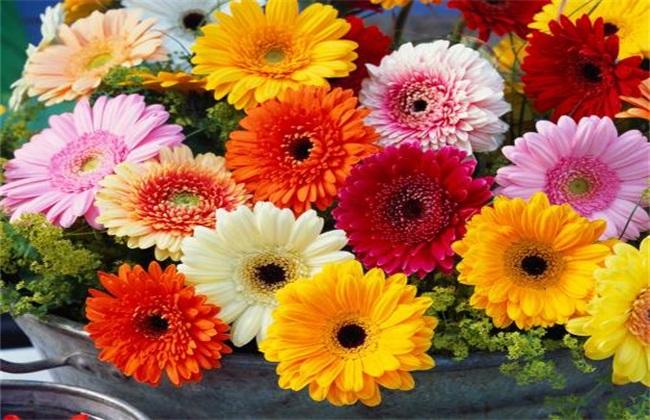
Gerbera is a hairy herbaceous plant in the Asteraceae family. Its flowers are rich and varied in color, large and gorgeous, and have extremely high ornamental value. It is now widely used for cut flowers, potted plants, and decoration, and is very popular among many people. So if you want to grow gerbera, how should you go about it? And what precautions are there? Today, the editor brings you the planting methods and precautions for gerbera. Let's take a look below!
1. Propagation Methods
There are many propagation methods available for gerbera, such as division, cuttings, and sowing. If propagating by sowing, spring sowing should be done around Qingming Festival, while autumn sowing should be done in September to October. Before sowing, the seeds can be soaked in warm water to promote germination. After sowing, the temperature should be kept at around 20 degrees, and germination will occur in about a week. After the seeds germinate, provide sufficient light, and transplant the seedlings after the cotyledons have fully unfolded. When the seedlings grow about two true leaves, they can be planted out, preferably in May to June. About two months after planting out, the plants will bloom.
2. Fertilizer and Water Management
If gerbera is grown in protected cultivation, it can bloom all year round. Therefore, nutrient consumption will also be very high, so we must pay attention to proper topdressing throughout the entire growth period of gerbera. Fertilizer is generally mainly nitrogen fertilizer, with an appropriately increased proportion of phosphorus and potassium fertilizer, combined with an appropriate amount of medium and trace elements. Before flowering, attention should be paid to supplementing potassium fertilizer to enhance the growth capacity of the stems and flowers and increase flower quantity. Humidity should be maintained at around 70%. After watering at planting, wait until the soil is slightly dry before watering again to ensure normal root growth. Watering should follow the principle of watering thoroughly only after the soil has dried out. During the flowering period, when watering, be careful not to spray water into the center of the leaf rosette, to avoid rotting the flower buds.
3. Leaf and Bud Thinning
Gerbera is a flower produced year-round, so we should also pay attention to doing a good job of leaf and bud thinning. If there are too many leaves, the number of gerbera flowers will decrease, but there should not be too few either, so attention should be paid to the timing of leaf removal. At the same time, promptly remove the yellow leaves under the basal leaf rosette of the plant, evenly remove leaves from each branch, and retain about three functional leaves. Then, during the seedling growth period, attention should be paid to removing flower buds formed early to promote vegetative growth of the plant. During the flowering period, if there are too many flower buds, they should also be thinned promptly to ensure quality. At the same time, we should also pay attention to factors such as the market and season, and control the number of flower stems well.
4. Precautions
First of all, we should pay attention to controlling the temperature well. The suitable temperature for gerbera growth is around 22 degrees. It must not exceed the range of 5-30 degrees, otherwise the growth of gerbera will be significantly inhibited. At the same time, pay attention to temperature differences; the day-night temperature difference should be maintained at around 3 degrees and must not be too large, as deformed flowers are likely to appear. Then also pay attention to maintaining sufficient light; the daily light duration should be maintained at around 12 hours. If natural light is insufficient, then artificial supplemental lighting should be done well. Light intensity and duration will directly affect the flower quantity of gerbera, so everyone should pay close attention.
The above is a brief introduction to the planting methods and precautions for gerbera. That is all for today's introduction. This article is for reference only, and I hope it can help everyone!