What causes a Clivia not to bloom
Clivia is a very popular flowering plant with very high ornamental value. Its flowering period generally lasts nearly 40 days, and besides its ornamental value, Clivia also has environmental protection value, medicinal value, and more. Therefore, the planting area of Clivia is still very large today, but many people encounter the phenomenon of it not blooming when growing Clivia. So what are the reasons a Clivia does not bloom? Let's take a look below!
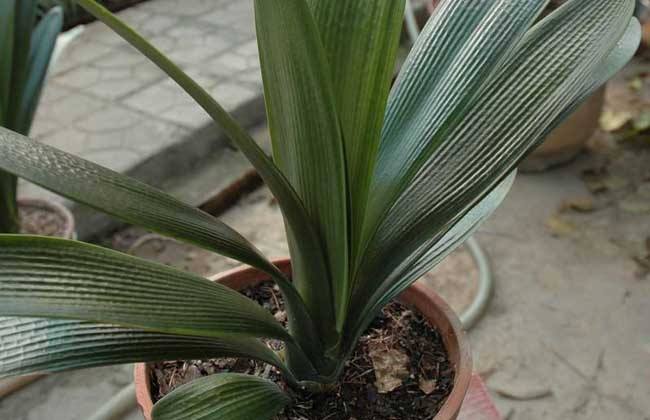
1. Unsuitable temperature
Temperature is very important for the blooming of Clivia, and it is also a key factor affecting the quality of its blooming. Temperatures that are too high or too low are both very unfavorable for the growth of Clivia, so if Clivia is kept in an environment with excessively high or low temperatures for a long time, it may fail to bloom. Therefore, when growing Clivia, pay attention to controlling the temperature at around 25 degrees, with the nighttime temperature kept at around 15 degrees. Keeping the day-night temperature difference at 10 degrees can also promote the blooming of Clivia.
2. Light reasons
Light is also a main reason causing Clivia not to bloom. Clivia still has a certain demand for light. If Clivia grows in a dark, low-light environment for a long time, it will affect its photosynthesis, leading to insufficient nutrient accumulation and thus preventing it from blooming. However, it should not be exposed to strong light either, otherwise the leaves are easily scorched, which likewise affects nutrient synthesis and prevents blooming. Therefore, for Clivia that has lacked light for a long time, provide light in time to promote blooming. For plants whose leaves have been scorched by strong light, promptly prune the leaves and place them in a ventilated spot for care.
3. Soil reasons
Soil also has a very large impact on the blooming of Clivia. If the soil is compacted or water accumulates, it will affect the roots' absorption of water and nutrients. This prevents the roots from breathing normally, and root growth is hindered. If Clivia lacks nutrients and water, then naturally it cannot bloom. So when planting Clivia, pay attention to doing a good job of cultivating and loosening the soil. If it is grown in a flowerpot, then the soil should be changed regularly to ensure the soil's permeability and drainage and irrigation capacity, promoting normal blooming of Clivia.
4. Water and fertilizer reasons
As just mentioned, if it lacks nutrients and water, then Clivia will find it difficult to bloom. Therefore, we should manage fertilizer and water well, applying fertilizer and watering appropriately. But the amount must also be controlled well. If too much fertilizer is applied, Clivia is very prone to various adverse phenomena such as leggy growth, root rot, and fertilizer burn, which instead affect the growth of Clivia. And if too much water is given, the roots of Clivia are prone to rotting, which also affects root growth and makes it difficult for Clivia to bloom, so everyone must pay a lot of attention.
The above is a brief introduction to what causes a Clivia not to bloom. That is all for today's introduction. This article is for reference only, and I hope it can help everyone!