Why Do Kalanchoe Leaves Become Soft? Causes and Solutions
Kalanchoe is a perennial succulent herbaceous plant. Because its flowering period falls around Christmas, it is also called Christmas kalanchoe. Kalanchoe has very high ornamental value and is loved by many people. It is now basically distributed throughout China, and when growing kalanchoe, you sometimes encounter the phenomenon of soft leaves. So why do kalanchoe leaves become soft? Let's take a look together below!
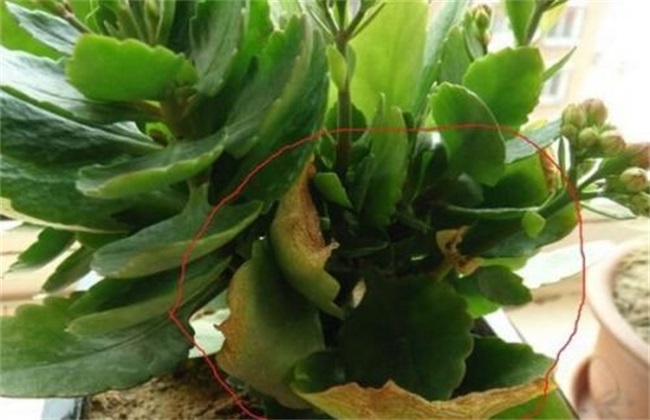
1. Not adapting to the environment
Kalanchoe needs a period of time to adapt to its surroundings. When growing kalanchoe, if the soil changes the growing environment of the kalanchoe, then because light, temperature and humidity, etc. are all different from before, the kalanchoe cannot adapt in time, and the absorption of nutrients and water is blocked, which causes the kalanchoe leaves to become soft. This cause is generally fairly normal; we just need to do a good job with daily care and wait a period of time. Once the kalanchoe gradually adapts to the new environment, the leaves will gradually return to normal.
2. Insufficient light
Kalanchoe likes to grow in an environment with sufficient light, and its demand for light is still very great. So if the kalanchoe grows in a low-light environment for a long time and lacks light, then the photosynthesis of the leaves is blocked, and they will become soft and thin because of this. Therefore, when cultivating kalanchoe, we should pay attention to maintaining light at all times, so that it can receive sunlight; during the growing period, it should maintain at least six hours of light per day. However, the light should not be too strong either, to prevent scorching the leaves, which would likewise affect the growth of the kalanchoe.
3. Improper watering
During the growing period, kalanchoe also has a certain demand for water. So we also need to do a good job with watering. If the kalanchoe lacks water, then the leaves will show wilting due to lack of water, thus becoming soft. But the amount of watering should not be too much either. If water accumulates in the soil and is not drained in time, then it will cause the kalanchoe to rot its roots and affect the nutrient absorption of the kalanchoe. The leaves will then become soft due to lack of nutrients. So while ensuring that the kalanchoe's water needs are met, pay attention to controlling the amount of watering well. After excessive watering or after rain, drain in time to prevent too much water from damaging the roots.
4. Fertilization reasons
When growing kalanchoe, fertilization work is also fairly important. Reasonable fertilization can supplement sufficient growth nutrients for the kalanchoe and promote its growth. But if fertilization is insufficient, then it will cause the kalanchoe to lack nutrients, thus causing the leaves to become soft. However, just like watering, we must also control the amount of fertilizer well and must not fertilize too much. Excessive fertilization will cause fertilizer damage to the kalanchoe, burn the plant's roots, and likewise cause a great impact on the growth of clivia. So everyone must pay more attention, fertilize reasonably, control the amount of fertilizer well, and ensure the normal growth of the kalanchoe.
The above is a brief introduction to why kalanchoe leaves become soft. That is all for today's introduction. This article is for reference only, and I hope it can help everyone!