How to Care for Aspidistra in Winter? Detailed Guide to Care Methods and Precautions
Aspidistra (cast iron plant) is a common foliage plant in homes, and its daily care is a concern for many people, especially in winter when temperatures are low. Aspidistra likes high temperatures and humid environments, and once the temperature drops below 5°C, frost damage is very likely to occur. So how should Aspidistra be cared for in winter? Let's take a look together.
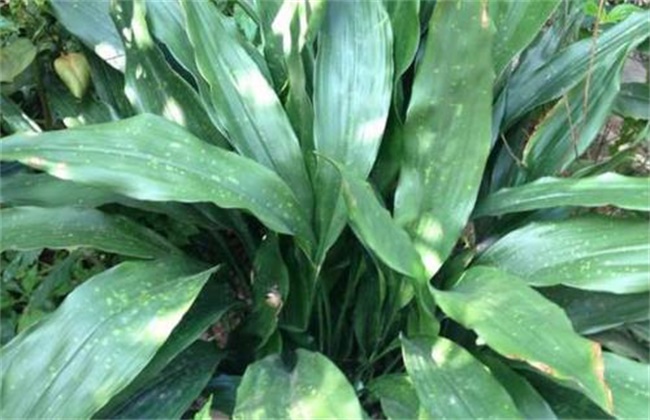
1. Pruning
In winter, when temperatures are low, Aspidistra will inevitably develop yellowed, withered branches, so they must be removed promptly as soon as they are noticed. This is to prevent old leaves and new leaves from competing for nutrients and water, which would affect the plant's normal growth. In addition, withered branches and diseased branches should also be pruned promptly; this prevents the old branches from rotting and hindering the growth of new branches. Removing these branches also improves the plant's ventilation and light penetration, which benefits the growth of Aspidistra.
2. Move Indoors
Aspidistra is better suited to a warm, humid environment, so the low-temperature conditions of winter are not suitable for its growth, which is why potted plants should be moved indoors at this time. The indoor temperature is relatively high, which helps Aspidistra survive the winter, and strong drafts should not occur indoors either, as cold wind blowing on the plant may cause it to wilt and, in severe cases, die. However, it should not be kept without ventilation either; during care, appropriate ventilation is still needed, which will help Aspidistra overwinter safely.
3. Pay Attention to Fertilizer and Water
Aspidistra grows very slowly in winter and sometimes even stops growing altogether, so in winter it does not need much fertilizer or water; water it once every 1-2 months. In addition, fertilizer should be applied once every two months, but pay attention to the fertilizer concentration; it must be a diluted fertilizer, otherwise it will damage the root system. Also, when caring for it in winter, be sure not to water too much; once waterlogging occurs, it may cause root rot in Aspidistra and will also reduce air humidity.
4. Build a Shed
Aspidistra is suitable for growing in pots, but many people also plant it directly in the ground, in which case it cannot be moved indoors. To keep it safe through the winter, a plastic shed then needs to be built for insulation. The size of the plastic shed is determined by the planting area and the number of Aspidistra plants.
The above is an introduction to how Aspidistra should be cared for in winter. We hope it helps you. To learn more related knowledge, please stay tuned to us.