What to Do About Rotting Leaves on Clivia? Here's the Correct Way to Handle It
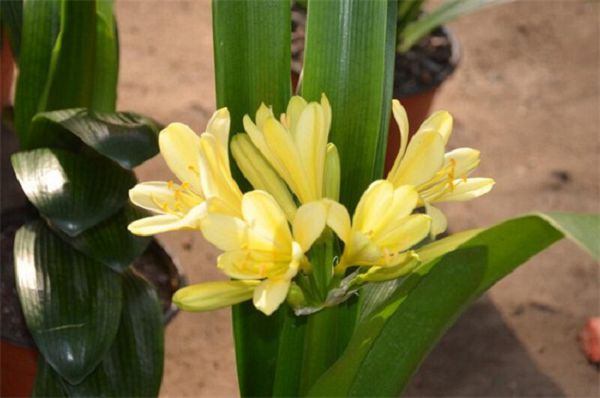
When a clivia develops rotting leaves, you need to treat the cause accordingly. If too much light is the cause, control the sunlight exposure; if fertilizer has been over-applied, cut back on feeding and prune away the rotted roots. If unsuitable temperature is the cause, keep it below 25°C; if overwatering is the cause, control the water supply. Only then can the clivia grow healthily.
1. Control light exposure
When dealing with this problem, the first thing to address is its light conditions. When clivia is grown in summer, it needs to be shaded, and in normal times it can be placed in a spot with indirect, scattered light.
2. Control fertilizing
During fertilizer application, if the fertilizer concentration is too high or too much is applied, the clivia's leaves will rot. Fertilizer should be applied according to the principle of light, frequent feeding, and the water supply should also be controlled appropriately.
3. Lower the temperature
Among the factors affecting clivia's growth, temperature is the biggest one. The growing environment for clivia should be kept below 25°C; otherwise the leaves will rot, and in severe cases growth will be inhibited.
4. Reduce watering
Improper watering of clivia is also one of the causes of rotting leaves. When watered too much, the roots rot, which affects the roots' ability to absorb nutrients. The principle for watering is to wait until the surface layer of the soil has dried out completely before watering.