How to Grow Clivia and Soil Selection
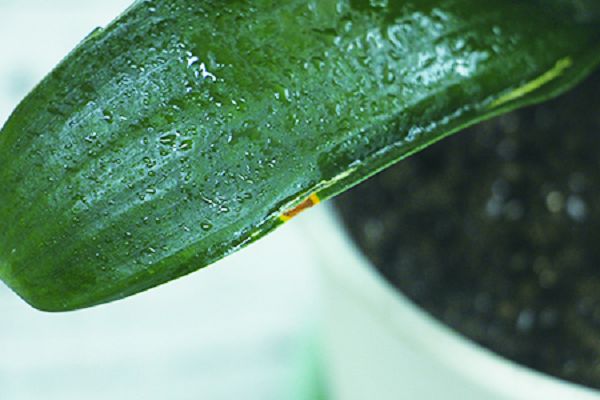
Although Clivia can store water, it enters its peak growing period in summer, so water must be supplied in time, along with misting the plant, but the amount must not be too much. Apply sufficient base fertilizer when potting, then fertilize according to conditions afterward. In spring and autumn, it can be placed in a bright spot indoors to receive indirect light; in summer, shade it in time. Provide it with loose, well-draining loam, which can be mixed from humus soil, sand, and pine needles.
I. How to grow it
1. Watering: Because it has a fleshy root at the base that stores a lot of water, although it is drought-tolerant, it still has certain water needs, especially in summer when it enters its peak growing period, requiring timely supply, along with misting the plant, but the amount must not be too much, otherwise the roots are prone to rot.
2. Fertilizing: Apply sufficient base fertilizer when potting to ensure growth, then apply fertilizer during growth according to the plant's size and the different seasons, so as to ensure the flowers bloom large and brightly colored.
3. Light: It likes sunlight very much, but fears strong light exposure, so give it appropriate light according to seasonal changes. In spring and autumn, it can be placed in a bright spot indoors to receive indirect light. In summer, when the sunlight is strong, avoid the light at midday and expose it to light in the morning and evening. In winter, when light intensity decreases, it can receive more light.
II. What soil to use
Considering its growth characteristics, it is best to provide it with loose, well-draining loam, which can be mixed from humus soil, sand, and pine needles.