Three tricks for growing orchids: once you learn them, you too can grow orchid plants worth tens of thousands of yuan
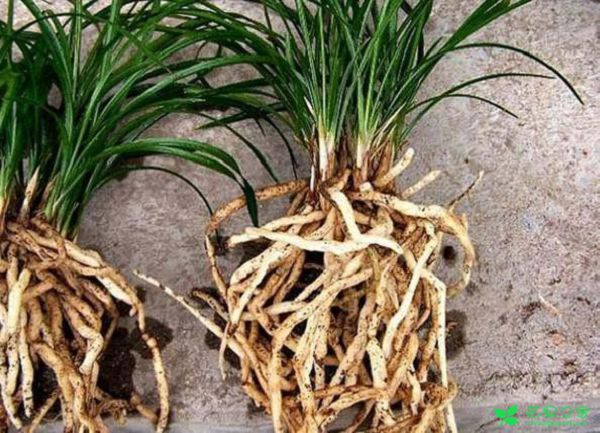
To grow orchids well, the first thing is to get the selection right. When buying, you must choose carefully and never take home orchid seedlings whose roots are too badly damaged or that were injured during transport.
Orchid seedling selection skills:
First, check whether the orchid's root system is firm, with a white to roughly light gray surface, intact and only slightly damaged, not blackened, not hollow. Frost-damaged orchids have a semi-transparent, water-soaked-looking surface. The leaf clusters should be neat, with many leaf fans, and the leaves should be shiny, without black spots or withered yellow patches. Orchids meeting the above conditions can be bought with confidence.
Newly bought orchid seedlings cannot simply be planted right away. First wash them clean with water, cut off hollow roots and dead leaves, and wait until the wounds have healed before potting them. A mix of half leaf mold soil and half sandy loam can be used as the growing medium; do not use alkaline soil or heavy clay soil. Most orchids are semi-shade plants, and most types fear direct sunlight, so they need appropriate shading. In early to mid-April, orchids can get more sunlight to promote their growth. After late April, they should be shaded appropriately. Among summer orchids and autumn orchids, varieties with upright leaves are best placed on the south side of a shaded spot so they receive somewhat more sunlight; for drooping-leaf autumn orchids and spring orchids, two hours of light per day is best. From June through September, shade should be provided earlier each day; if using reed blinds, use dense blinds or two layers of sparse blinds. After October, when the weather turns cooler and sunlight is weaker, shading can be delayed, but around midday you still need to shade them well.
Orchids like shade and fear direct sunlight; they like moisture and avoid dryness; they like fertile soil rich in humus; and they are suited to well-ventilated conditions. When a new orchid is potted, if the potting soil is too rich, it often fails to survive, and even if it survives, it rarely blooms. If summer fertilizer is too much, the autumn leaves grow overly lush, often causing poor leaf growth and blooming the following spring. If autumn fertilizer is too little, it affects the formation of underground flower buds at the turn of autumn and winter. If nitrogen fertilizer is usually too much, the leaves grow too lush, upsetting the nutritional balance between leaf and flower growth, which leads to no blooming or few blooms. Generally speaking, when new leaf buds emerge, a small amount of dilute fertilizer can be applied frequently. The spring equinox, the autumn equinox, and about 20 days after flowers fade are all fairly suitable times.