Why Do Aspidistra Leaves Turn Yellow? Causes Explained
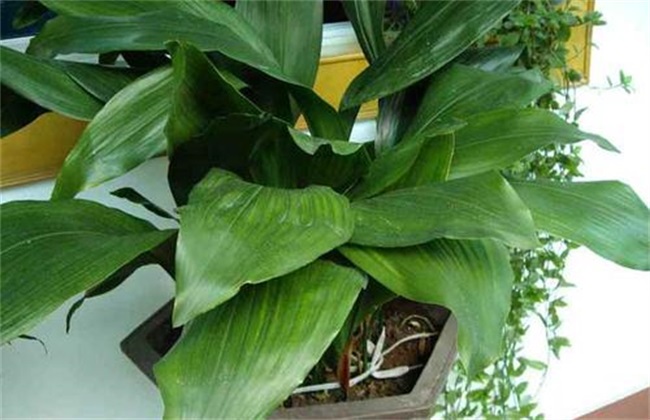
Aspidistra, also known as large-leaf evergreen and bamboo-leaf dish, is a plant of the Liliaceae family. It has very high ornamental value, and the rhizome of aspidistra can also be used as medicine, and it is also very widely used in our country, with the effects of promoting blood circulation and dissipating blood stasis, tonifying deficiency and relieving cough. However, when we grow aspidistra, yellowing leaves often occur. So why do aspidistra leaves turn yellow? Let's take a look together with the editor below!
1. Lighting Causes
Light is very important for the growth of aspidistra. Suitable light can promote photosynthesis in the leaves of aspidistra and improve its ornamental value. But the light must never be too strong, because the leaves of aspidistra are very intolerant of direct sunlight. If exposed to strong direct sunlight, the leaves will be scorched and yellow leaves will appear. Therefore, we should pay attention to maintaining an environment of diffused light, cut off the scorched leaves, and then water appropriately. In strong light environments such as summer, shading work must be done well to ensure the normal growth of aspidistra.
2. Overwatering
Aspidistra has a relatively large demand for water and likes to grow in a relatively humid environment. But we must also pay attention to controlling the amount of watering and must not water too much. If excessive watering causes water accumulation in the pot, it will severely inhibit the respiration of the aspidistra roots. This will cause yellow leaves. We should maintain good soil permeability, regularly loosen the soil, drain water in time if there is excessive watering, and do a good job of rain protection during the rainy season. When watering, the principle should be to water when dry and stop when wet, ensuring sufficient water for the growth of aspidistra while not causing water accumulation.
3. Excessive Fertilization
Aspidistra has a relatively strong growth capacity, so during its growth process, its demand for fertilizer is not very great. Therefore, many flower growers do not control the amount of fertilizer well when fertilizing and often tend to apply too much, causing fertilizer damage to aspidistra and root burning. The leaves will also turn yellow because of fertilizer damage and root burning. If too much fertilizer is applied, it is necessary to flush the fertilizer with a large amount of water in time to dilute the concentration. For plants with fertilizer damage, the plants should be taken out in time, the rotten roots cut off, disinfected, and then replanted in new soil.
4. Pest Damage
When cultivating aspidistra, although aspidistra has strong disease resistance, it is susceptible to pests such as red spiders. Red spiders mainly harm the leaves of aspidistra, sucking the sap from the leaves and causing the leaves to turn yellow. Therefore, we should do a good job in pest prevention and control, regularly spray insecticides to kill insects. And we should often observe the conditions on both sides of the plant leaves, wipe the leaves with clean water, and keep the leaves in a clean and glossy state, which can also achieve the purpose of preventing pests.
The above is a brief introduction to why aspidistra leaves turn yellow. That is all for today's introduction. This article is for reference only, and I hope it can help everyone!