What are the key points to note for raising laying hens in winter?
Many laying hen farmers dislike winter, because the hens' production drops at this time, or they even stop laying. In fact, this is a good season to let the laying hens rest, and with appropriate improvements to the raising method, the hens will still lay. However, in this season you need to pay more attention to the condition of the laying hens. Below, let's take a look at the key points to note for raising laying hens in winter.
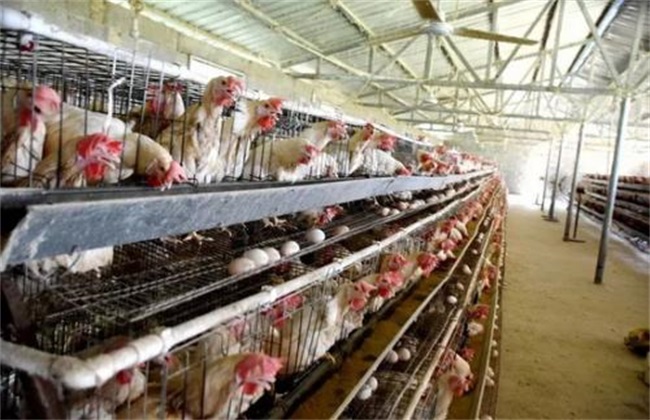
1. Keep warm with attention to safety
Every farmer knows about keeping warm in winter, and there are many ways to do it, but you should not blindly pursue warmth while ignoring the safety of the laying hens. Every year, some farmers cause safety accidents in the chicken house while keeping warm, the common ones being toxic gases causing poisoning in laying hens and insufficient oxygen in the chicken house causing harm to the laying hens. Doing a good job of keeping the chicken house warm in winter is not enough on its own; it must be adjusted in line with the indoor ventilation and safety conditions, so that while the laying hens are warm they still have enough air to breathe.
2. Proper culling
This time is actually also a period for culling laying hens. For laying hens whose egg production has declined or that have been thin and weak for a long time, it is best to cull some of them appropriately, and then prepare new laying hens to keep production stable. At other times, laying hens are generally at their higher-production stage, and it is hard for farmers to find free time to do this. The newly added laying hens brought in at this time also have a relatively small impact on the original laying hens that have not been culled. At this time the laying hens are relatively more settled, and by the time they become active, the adaptation period has long passed. This is something to pay special attention to and not neglect.
3. Control the duration of light
The egg-laying efficiency of laying hens is related to the length of lighting time, because if the light is dim for a long time, the laying hens will gradually enter a dormant state, while long periods of light will increase their egg production. If farmers want to ensure production in winter, they must appropriately supplement the lighting time. The total lighting time in a day should be controlled at around 12-15 hours; any longer easily affects the health of the laying hens and will to some extent reduce the peak egg-laying period of the following year. This is also something to note, so do not begrudge the electricity bill.
4. Increase nutrition
In winter, because the temperature is lower, laying hens need certain nutrients to resist the cold. Secondly, they also need to prepare for the coming year's egg-laying period, which requires nutrition to lay the foundation, and on top of that they still need to produce eggs. Taken together in all these aspects, the nutritional requirements are much higher, so nutrition must keep up. At this time you also need to feed more things such as vitamins, because in winter you need to ensure the vitality of the laying hens, and the demand in this regard is relatively high. Nutrition is very important in this respect. Many farmers want to ensure production but are unwilling to supplement the laying hens' nutrition, and in the end the laying hens are extremely prone to problems.
The above are some of the issues that laying hens need attention on in winter. This season is a relatively critical point each year, so farmers must pay more attention to these issues.