What to Do When Phalaenopsis Leaves Turn Yellow? Detailed Explanation of Causes and Treatments
Phalaenopsis is an epiphytic orchid with very high ornamental value. Moreover, Phalaenopsis plants can grow by absorbing nutrients from the air. Therefore, there are still quite a lot of people growing Phalaenopsis now, and when we grow Phalaenopsis, the phenomenon of yellowing Phalaenopsis leaves often occurs. So what causes Phalaenopsis leaves to turn yellow? And how should they be treated? Let's take a look together with the editor below!
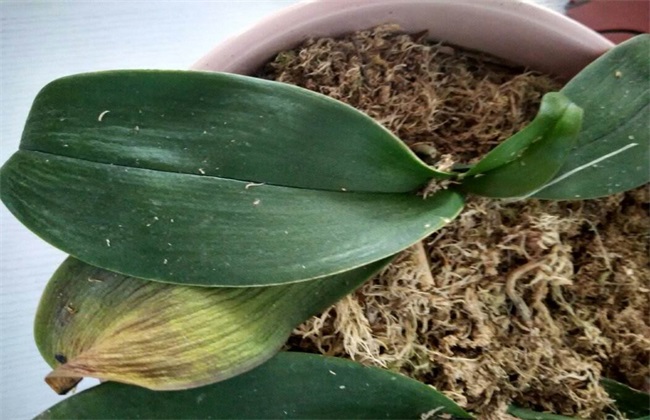
1. Sun-yellowing
Cause: Light is very important for the growth of Phalaenopsis, but if the light exposure time is too long or the light intensity is too strong, it can very easily cause Phalaenopsis leaves to turn yellow. Because if the light is too strong, the Phalaenopsis leaves cannot withstand it, water evaporates too quickly, and in severe cases they may be scorched, thus showing the yellow-leaf phenomenon. Sun-yellowing mainly shows as the light-facing side of the Phalaenopsis leaves and the upper leaves appearing yellow-green, while the shaded underside remains normal.
Treatment method: If sun-yellowing occurs, then we must promptly control the light properly. Reduce the light exposure time for the Phalaenopsis and lower the light intensity. During midday and in summer and other periods of strong light, it must not be exposed to light. For leaves that have already turned yellow from the sun, placing them in weak light in the morning and afternoon will allow them to gradually recover. However, if sunburn spots have formed, because the tissue at the sunburn spots has already died, they cannot recover.
2. Drought-yellowing
Cause: Phalaenopsis relatively prefers to grow in a humid environment. Even when budding in winter, its air humidity must be maintained at around 70%. During flowering, the air humidity must not be lower than 50%. The soil should be kept alternately dry and moist. If the Phalaenopsis aerial roots are too dry for too long, then the old leaves at the lower part of the plant will begin to turn yellow due to excessively low humidity and lack of water, and the leaves will also noticeably become thinner.
Treatment method: Leaves that have yellowed due to drought do not have many other symptoms. At this time, promptly cut off the yellow leaves and promptly replenish water by watering, which can effectively alleviate the yellow-leaf phenomenon. However, the main approach is still prevention, watering appropriately and frequently spraying around the plant.
3. Root rot
Cause: Another main reason for yellowing Phalaenopsis leaves is root rot. Root rot is one of the most common; if the Phalaenopsis leaves turn yellow, droop, become yellow-brown, and are accompanied by rot, then it is generally caused by root rot. After root rot, the Phalaenopsis roots cannot absorb nutrients, and the leaves will also turn yellow due to malnutrition.
Treatment method: For root rot, we must promptly remove the plant from the pot, cut off the rotten roots, disinfect them, and replant. And the main approach is also prevention. Phalaenopsis root rot may be caused by overwatering, poor soil permeability, or excessive fertilizing. So everyone should pay more attention. After treating root rot, use a new medium for planting, cut off the flower spike, and let it re-establish itself.
The above is a brief introduction to the causes and treatments of yellowing Phalaenopsis leaves. That is all for today's introduction. This article is for reference only, and I hope it can help everyone!