What to Do About Root Rot in Pothos in Winter? Here's How to Handle It Correctly
Pothos (Epipremnum aureum) is a very common ornamental plant and the greenery most widely used in major companies. Growing pothos is very simple, and it also helps purify the air. However, when pothos growing reaches winter, problems can still arise because the temperature is relatively low. Root rot is one of them, so what should you do about root rot in pothos in winter? Let's take a look together below!
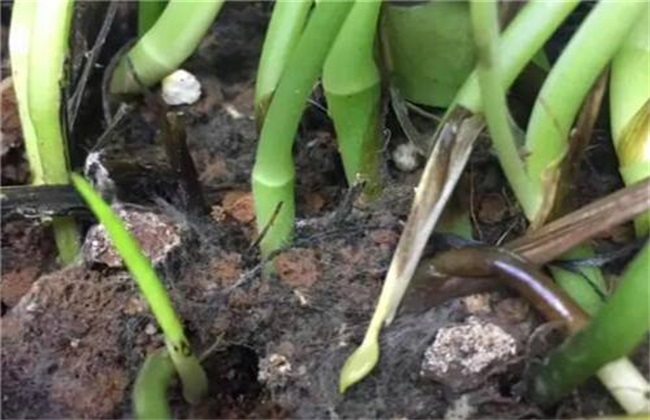
1. Trim the rotted roots
In winter, we should frequently observe the growth of pothos. If you find that the pothos has root rot, then you must trim it promptly. Remove the entire pothos plant and carefully examine the condition of the rotted roots. Then wash the roots clean and cut off the rotted roots. When cutting off the rotted roots, disinfect the scissors and be careful not to accidentally damage the healthy roots. After dealing with the rotted roots, soak the roots in carbendazim for a period of time to prevent the wounds from becoming infected, which would instead worsen the root rot.
2. Change the pot and the soil
Most of the main causes of pothos root rot are improper soil. Therefore, after dealing with the root rot, when replanting, be sure to change the soil for planting. This is because the original soil may contain bacteria or have too much fertilizer, which may cause root rot again after the pothos is replanted. If it is grown in a flower pot, then we should also pay attention to changing the pot to reduce the recurrence of root rot. Be careful not to add base fertilizer to the soil, because in winter pothos has little demand for water and fertilizer, so avoid achieving the opposite effect.
3. Raise the temperature
The temperature in winter is very low, and a large part of the reason for pothos root rot may be cold damage. Therefore, in winter we should also focus on doing a good job of heat preservation, raising the surrounding environment and enhancing the cold resistance of the pothos to prevent it from suffering low-temperature cold damage. Greenhouse cultivation can be used. If the temperature is still not enough, then you can also put a plastic bag over the plant for secondary warmth. However, at noon every day when there is sunlight, open it to let the plant receive appropriate sunlight and ventilation.
4. Water and fertilizer management
In winter, the growth of pothos does not consume very much nutrition. If too much fertilizer is applied in winter, it will cause fertilizer damage to the plant. If the fertilizer concentration is too high, then it is very likely to cause root rot in the plant. Moreover, if too much water is given and the soil becomes waterlogged, then the impact on the growth of the pothos roots is also very great, and if the water temperature is too low, then it may also cause frostbite to the roots and lead to root rot. So in winter we should appropriately reduce the amount of watering and stop fertilizing to ensure that the pothos can safely overwinter.
The above is a brief introduction to what to do about pothos root rot in winter. That's all for today's introduction. This article is for reference only, and we hope it can help everyone!