Can Clivia be grown well on a balcony with poor light
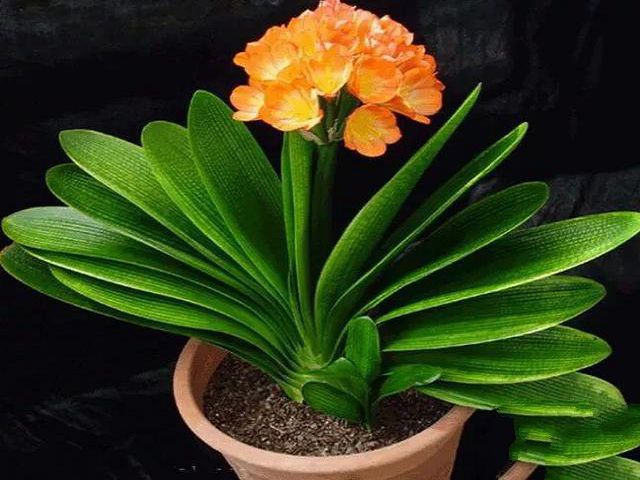
Many people like to grow Clivia, mainly because it has extremely strong vitality and is very easy to keep alive. Clivia likes semi-shade and fears direct strong light; it is a neutral plant that cannot do without light, yet cannot tolerate light that is too strong. So at home, some people like to put Clivia indoors, while others like to put it on the balcony. Of course that is possible.
Sunlight:
Clivia likes a cool, moist, semi-shaded environment and avoids blazing sun. A balcony with poor light generally faces north. This kind of light is also fairly suitable for Clivia, especially in summer. If Clivia is exposed to direct strong light, it will develop sunscald, meaning its leaves will appear scorched and damaged.
In spring, autumn and winter, these seasons require ample light, but on a balcony with poor light it needs extra attention from people. Even on a balcony with poor light, there will still be corners reached by sunlight, so when necessary, put the Clivia in a place with sunlight.
Ventilation:
Clivia should be placed in a ventilated, cool place. Although the balcony has poor light, it is more ventilated than indoors. Especially in summer when the temperature exceeds 30 degrees, without ventilation it will fail to bloom, or even become sick.
Shape:
To make Clivia look good, on a balcony with poor light you should pay special attention to the direction of the light. Keep the direction of the light consistent with the leaf surface, and every 7 to 10 days rotate the flower pot 180 degrees. In this way, over time, the leaves will not grow crooked and twisted.
Overwintering:
Clivia is relatively cold-tolerant. When the winter temperature is below 0 degrees, it can no longer overwinter on an open-air balcony, so move the Clivia indoors in time.
Not all plants have to be grown on a south-facing balcony. On a balcony with poor light, Clivia can still survive, and can even thrive outstandingly.