How to grow snapdragons? Detailed guide to cultivation methods and precautions
The snapdragon is a perennial herbaceous plant, named for its flowers that resemble goldfish. Its flowers are brightly colored, and after blooming they are a riot of colors, making it very suitable for ornamental use. Many people want to grow it in their daily lives, but they don't know how to grow it. Below, let's take a look with the editor at the cultivation methods and precautions for snapdragons.
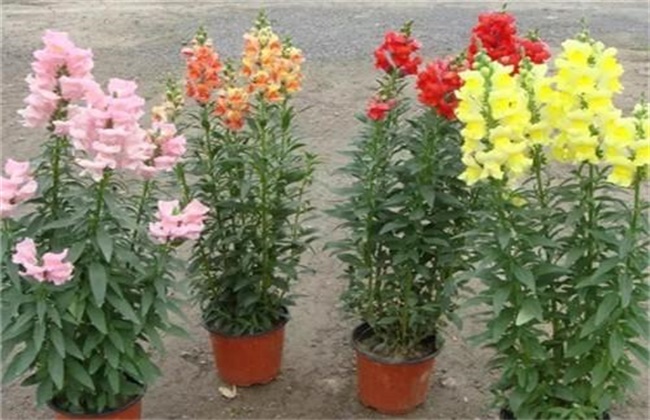
I. Cultivation methods
1. Soil
Snapdragons have very strong vitality and do not have high requirements for soil. However, if you want them to bloom beautifully, it is most suitable to choose fertile, loose and breathable, well-drained soil. You can also buy nutrient soil directly from a flower shop, or mix it yourself, as long as it is loose and breathable.
2. Temperature
Snapdragons do not have very high requirements for ambient temperature and are easy to keep alive even in cold winter. The optimal growth temperature is between 12-20 degrees, and the optimal temperature during the flowering period is between 15-20 degrees. At the same time, avoid damage from high or low temperatures.
3. Light
Snapdragons are a light-loving plant and can only grow normally with sufficient light. When light is insufficient, it will cause leggy growth, affect the quality of flowering, and may even prevent flowering. Therefore, during normal care it is best to place it in a sunny place, and in summer it also needs appropriate shading, otherwise snapdragons may wither and die from strong sunlight exposure.
4. Watering
Snapdragons prefer a dry growing environment. Spring is the season of most vigorous plant growth, and at this time it is generally enough to water once every 3 days; in summer, when the weather is hot and dry, it needs to be watered once a day; after autumn, when the temperature gradually turns cooler, the plant's demand for water decreases, and it only needs to be watered once every 5-10 days; by winter, basically no watering is needed, and in winter you only need to keep the soil from becoming too dry.
5. Fertilizing
Snapdragons have a large flowering volume, so their demand for nutrients is also relatively high, and they will only bloom when nutrients are sufficient. Therefore, proper fertilization is extremely important. Normally, it is generally enough to apply rotted compost once every 10-15 days. During the flowering period, apply organic fertilizer once every 10 days as a top dressing. When the plant is in the dormant period, there is no need to fertilize again.
II. Precautions
1. Pruning
After each time snapdragons bloom, the old branches, diseased and weak branches, side branches, and branches that have already flowered need to be pruned away promptly. This not only reduces nutrient consumption, but also enables them to bloom more beautifully next time, increasing ornamental value.
2. Flower pot selection
In cultivation, besides choosing loose, breathable, well-drained soil, the flower pot should also be chosen in this way. In addition, because the pot soil is limited, the pot needs to be changed once every 2-3 years to ensure the soil has sufficient nutrients to supply flowering.
The above is an introduction to the cultivation methods and precautions for snapdragons. We hope it can help you. If you want to learn more related knowledge, please stay tuned to us.