Detailed Guide to Marigold Cultivation Methods and Precautions
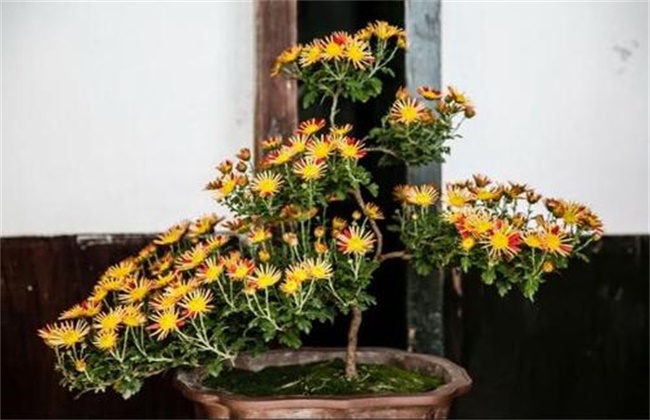
Marigold, also known as wanshoudeng or stinking beauty, is very beautiful after blooming, so it is deeply loved by people, and many people grow it in their daily lives, but most do not know how to grow it. Below, let's take a look with the editor at the marigold cultivation methods and precautions.
I. Cultivation Methods
1. Soil
Marigold is not very strict about soil requirements; loose, fertile, well-drained sandy soil is enough. You can also use 70% vegetable garden soil mixed with 20% peat soil, plus a small amount of organic fertilizer and coarse sand to make the growing medium. This can ensure both fertility and good permeability.
2. Temperature
Marigold is a warmth-loving plant, with the best growing temperature at 15-30 degrees. In summer it must not be higher than 30 degrees, and in winter it must not be lower than 5 degrees, otherwise its normal growth and development will be affected. Low temperatures will cause leggy growth, and high temperatures will prevent it from blooming, so the temperature must be well controlled.
3. Light
Marigold is a sun-loving plant. During cultivation, it is necessary to ensure sufficient light. Only with sufficient light can its flowers bloom brightly. Insufficient light can easily cause leggy growth and affect flowering, but in summer attention should also be paid to shading it and not exposing it to strong sunlight.
4. Watering
During the growing period, marigold should be watered frequently, but each watering should not be too much; just keep the soil alternating between dry and moist. Watering should also change according to the seasons. For example, in summer and autumn when temperatures are high, it is best to water in the morning and evening, while in winter and spring when temperatures are low, it is best to water at noon.
5. Fertilizing
After the leaves of marigold seedlings grow out, you can apply diluted fertilizer solution once every week. After the plant forms buds, apply liquid fertilizer once every 10 days. Before planting, sufficient base fertilizer should be applied. During the vigorous growth period, apply liquid fertilizer once a month, and control the application of nitrogen fertilizer to avoid leggy growth and failure to bloom.
II. Precautions
1. Pruning
After marigold is transplanted, it should be pinched back, which can promote more branching and more flowering. After flowering, the spent flowers should be pruned promptly, and overly dense branches and leaves should be trimmed, which can encourage new branches to bloom more. When the branches grow thick and strong, marigold can be cut off from the stem base and replanted.
2. Pests and Diseases
Marigold has few pests and diseases. The common ones are leaf spot, damping-off, powdery mildew, aphids, and leaf miners. Once discovered, they must be treated promptly with the right remedy.
The above is an introduction to marigold cultivation methods and precautions. We hope it can help you. If you want to learn more related knowledge, please stay tuned to us.