A detailed explanation of the 5 major methods of scientific sheep farming, worth a look for farmers
Sheep farming is very common in China, and sheep are also one of the main livestock animals in China, found in every region of the country. There are now also many sheep farming models, but as people pay more and more attention to environmental protection, sheep farming is now mainly based on scientific sheep farming, and scientific sheep farming mainly starts from 5 directions. So how exactly should it be done? Below, the editor brings you the 5 major methods of scientific sheep farming. Let's take a look!
1. Feeding management
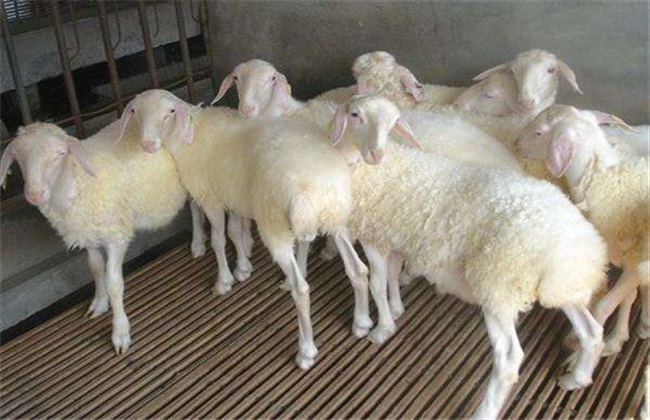
First of all, what we need to do well is feeding management. At present, most sheep farming is based on housed sheep farming. Reasonably preparing feed and forage for housing can effectively save on herding labor. It can also be done through a combination of grazing and supplementary feeding. When grazing, sheep should be grouped by number according to factors such as age, sex, and body size, and raised in separate groups. Then, according to the eating characteristics of the sheep, the methods and approaches of rotational grazing in divided sections should be carried out. According to the feed intake of the flock, supplementary feeding should then be done well, mainly with high-quality forage such as alfalfa. It is best to store a large amount to ensure the flock can normally gain weight and maintain pregnancy.
2. Optimizing the flock structure
When raising sheep, we should also adjust the flock structure well and promptly cull old sheep and sheep with poor production performance. Through multiple selections, reasonable adjustments should be made according to market conditions, timing, and other factors, continuously optimizing the flock structure and improving sheep farming benefits. No matter what the breed or farming scale is, attention should be paid to selection at the three periods of birth, weaning, and one year of age. The proportion of ewes should be appropriately increased, thereby improving the slaughter rate and farming benefits.
3. Reasonable mating selection
When selecting mating individuals for rams and ewes, scientific mating selection methods should also be used. The main goals should be matching the best with the best and ensuring full mating and full pregnancy. The utilization rate of superior breeding rams should be increased as much as possible to ensure that the time of lambing can be manually regulated. In addition, through methods such as artificial estrus induction for synchronized estrus, ewes can be brought into estrus together. This ensures that the mating and conception rate of sheep is increased in a short period, allowing ewes that have reached production age to be fully mated and fully pregnant, while also enhancing the growth ability of lambs.
4. Sheep rearing
We should also do a good job of rearing according to the growth stages of the sheep. Especially during important periods such as late pregnancy and early lactation of ewes, supplementary feeding should be done in a timely manner, and then the sanitation of the sheep shed should be well managed. When supplementary feeding, reasonable choices should be made according to the season, region, and the body condition of the ewes. Feed supplements about twice a day, together with an appropriate amount of high-quality forage. Before the ewe is about to give birth, dedicated personnel should check on it. After the lamb is born, do a good job of care to ensure every lamb can suckle normally. About half a month after birth, start feeding forage and feed.
5. Disease prevention
Finally, what we need to do well is disease prevention work. When raising sheep, we must strictly follow the vaccine epidemic prevention procedure for vaccine injections. Every sheep must be vaccinated properly, and no omissions are allowed. Then, after shearing each year, sheep should be given an appropriate medicinal bath once, and deworming work should be done well in seasons such as spring and autumn. Then, an appropriate amount of plant ash should be spread near the sheep shed and activity area for disinfection. If abnormal conditions occur in sheep, they should be isolated and treated in a timely manner to avoid the spread of disease and reduce mortality.
The above is a brief introduction to the 5 major methods of scientific sheep farming. That is all for today's introduction. This article is for reference only, and we hope it can be helpful to everyone!