How to mix soil for orchids? A detailed guide to soil mixing methods for growing orchids
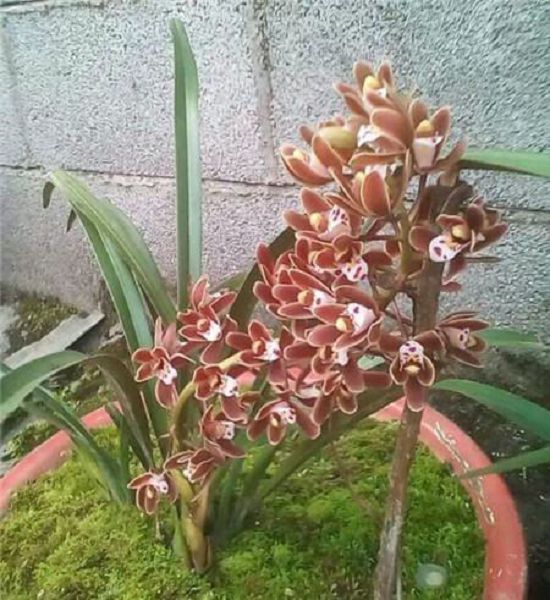
When growing orchids, getting the soil mix right makes everything much easier. So how should the soil for growing orchids be mixed? What methods are there?
Principles of soil mixing
When growing orchids, the soil mix generally needs to meet 5 points: the soil should be slightly acidic, the soil should be relatively coarse, nutrient elements should be rich and sufficient, it should retain moisture, and it should be loose, breathable and permeable. Soil that can meet these points is relatively suitable soil for growing orchids.
Soil mixes based mainly on soft planting materials
When mixing soil, softness should be the main focus, and you should choose planting materials that are themselves relatively loose and breathable, such as leaf mold, wood chips, coarse sand and so on. These can all be used to mix soil for growing orchids.
Take one half wood chips, add one quarter leaf mold and coarse sand, and stir evenly.
This kind of soil has the characteristics of being loose and breathable, moisture-retaining and rich in nutrients. It is very good for orchid growth: the orchids root quickly, the plants are relatively sturdy, and they bloom quite vigorously.
Soil mixes based mainly on hard planting materials
Hard planting materials can also be used to mix soil suitable for growing orchids. The more common ones are pebbles, crushed brick pieces, orchid stone, sphagnum moss, tree bark and so on. By mixing and combining these planting materials, you can grow orchids.
Generally, when mixing soil with hard planting materials, it is relatively difficult to master the use of fertilizer, so it is best to mix some soil-type soil into it to supplement nutrients.
When mixing the soil, the planting materials can be placed in layers. Larger planting materials go at the bottom of the flower pot, medium and small ones can go in the middle, and slightly finer soil goes on the top layer.