How to grow a golden-edged orchid? Learn the correct cultivation methods
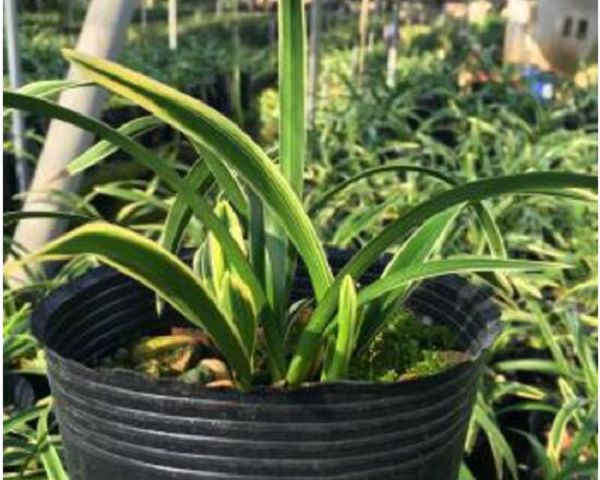
The golden-edged orchid is a relatively common plant in daily life, and it has extremely high ornamental value, making it very suitable for growing at home, so it is loved by most people. However, many people do not know how to grow a golden-edged orchid. In fact, growing a golden-edged orchid is a fairly simple matter; you only need to water and fertilize the plant appropriately. Next, follow the editor to learn about the cultivation methods for golden-edged orchids.
1. How to grow a golden-edged orchid
The golden-edged orchid is a plant with strong adaptability and likes to grow in a warm environment, but even if the temperature is below ten degrees it will not cause the plant to die, so growing it is a relatively simple matter. Flower enthusiasts only need to place the golden-edged orchid in the living room, then water and fertilize the plant appropriately.
Generally speaking, after the plant grows lush and full, it should also be pruned appropriately, as this helps the plant bloom and bear fruit. Otherwise, if it grows too luxuriantly, it may even prevent the plant from blooming, so flower enthusiasts must pay extra attention to this point.
2. Cultivation methods for golden-edged orchids
1. Soil selection
Although the golden-edged orchid does not have high requirements for soil, if you want the plant to grow faster, you must choose relatively fertile soil with high air permeability, because this kind of soil is more conducive to the plant absorbing nutrients, and even if there is excessive water accumulation, the soil can quickly drain away the excess water.
2. Appropriate watering
The golden-edged orchid is a water-loving plant and needs a large amount of water replenishment during its growth process, so flower enthusiasts must water it more during cultivation and keep the soil moist at all times, so that the plant can grow faster. However, in winter it is important to water less, otherwise root rot can easily occur.
3. Sufficient light
It can grow normally as long as there is bright light, but it should also be given some sun appropriately. In spring and autumn, avoid the midday sun; in summer, it can only be exposed to sunlight in the morning or evening, and at other times it is best not to place it in the sun; in winter, it can be placed in the sun all day, which can make its leaves more bright and glossy.
4. Reasonable pruning
Its growth rate is relatively fast compared with other green plants, so the space in the pot is easily filled. At this time, it should be pruned: cut off aging leaves and overly dense areas. Not only that, the withered leaves of the plant should also be pruned off, so that the plant can bloom faster.
5. Fertilization management
During its growth period, fertilize it once every week, which can be combined with watering. It is best to use a compound fertilizer that dissolves easily in water, and some agents for eliminating bacteria can also be added. If it is spring, you can add bean cake fertilizer to it, which must be fully decomposed. Add cake fertilizer during the growth period, and after winter arrives, fertilization should be temporarily stopped.