What are the harms of supplementing calcium too early or too late for laying hens
When raising laying hens, supplementing the calcium element is very important. This is because the composition of an eggshell cannot do without the calcium element. If the calcium element is insufficient, then laying hens are very prone to producing soft-shelled eggs, broken eggs, and so on. However, when supplementing calcium, we must also pay attention to controlling the timing well, and it must not be too early or too late, otherwise it is very unfavorable to the growth of laying hens. So what are the harms of supplementing calcium too early or too late for laying hens? Now let's take a look together with the editor!
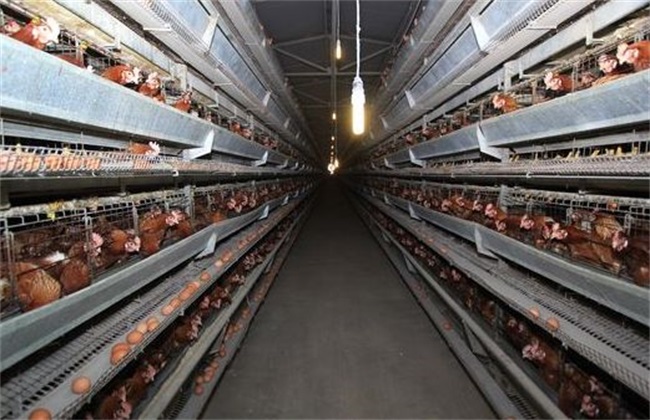
1. Supplementing calcium too early
Laying hens are still fairly strict about the timing of calcium supplementation. Calcium must not be supplemented too early, because during the growing period, laying hens do not yet have a very large demand for the calcium element. The calcium requirement is about 1/3 of the requirement of a laying hen in the laying period. Therefore, during the growing period, laying hens do not absorb very much of the calcium element. And if calcium is supplemented too early, then the calcium element cannot all be absorbed and utilized. The excess calcium element will be excreted from the kidneys and other parts of the laying hen, which will not only cause waste of the calcium element, but in severe cases may also cause gout in laying hens.
2. Supplementing calcium too late
If calcium is supplemented too late, it will also cause great harm to laying hens. After laying hens enter the laying period, their demand for the calcium element rises sharply. Compared with chicks and growing chickens, their demand for the calcium element during the laying period is about 3 times higher. If calcium supplementation is delayed until after a large number of laying hens begin laying, then before that the laying hens cannot absorb sufficient calcium element. Therefore, the formation of the eggshell will lack the calcium element, and in order to meet the needs of eggshell formation, calcium reserves will be drawn from the bones of the laying hens. This makes laying hens very prone to osteomalacia, paralysis, and so on.
3. Suitable time for calcium supplementation
When supplementing calcium for laying hens, we should control the timing of calcium supplementation according to the purpose of the chickens. For example, if they are commercial laying hens, then calcium should be supplemented at 18 weeks of age, while if they are meat-type chickens, then calcium should be supplemented at 22 weeks of age. In general, about half a month before the start of laying is an important time to supplement calcium for laying hens. Therefore, everyone must pay close attention and grasp the timing of calcium supplementation well. Calcium must never be supplemented too early or too late.
4. Calcium supplementation methods
The calcium supplementation methods for laying hens are actually very simple. There are generally two commonly used calcium supplementation methods. The first method is to directly add an appropriate amount of shell powder, calcium carbonate powder, and other substances with high calcium content to the feed of growing chickens. Start adding at one percent, then gradually increase over time, all the way to about 3.5%. Alternatively, when the laying rate of the laying hens reaches about 5%, the feed can be switched to laying hen feed with high calcium content.
The above is a brief introduction to the harms of supplementing calcium too early or too late for laying hens. That is all for today's introduction. This article is for reference only, and I hope it can help everyone!