What to Do When Winter Jasmine Leaves Turn Yellow? Cause Analysis and Solutions
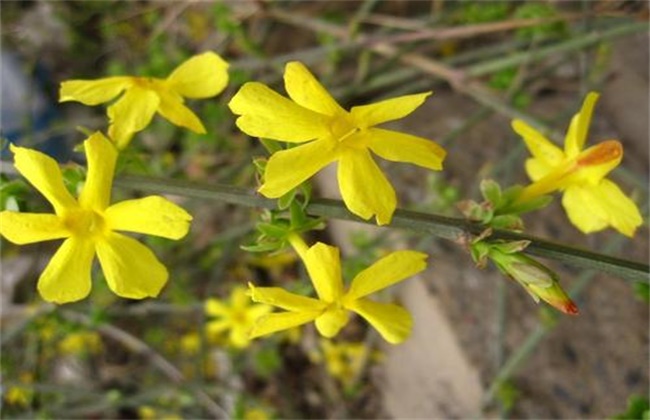
Winter jasmine (Jasminum nudiflorum) is a very famous flower in China. When it blooms, it carries the breath of spring, with yellow amid the green, full of spring vitality. But if the whole plant turns entirely yellow, it will seriously affect its ornamental value. So what causes winter jasmine leaves to turn yellow? Let's take a look together.
1. Overwatering
Yellowing leaves of winter jasmine may be caused by overwatering. When growing it indoors, many people's favorite thing to do is water it, but once it is not controlled well and too much water is given, it will eventually cause waterlogging in the pot, leading to root rot, and then its leaves will slowly turn yellow.
Solution: For winter jasmine leaves yellowing due to overwatering, you need to loosen the soil more so that the water can evaporate as quickly as possible. If the root system has already rotted, then you need to promptly take the plant out of the pot, cut off the rotted roots, and replant it in new potting soil.
2. Lack of Nutrients
Yellowing and withered leaves of winter jasmine may be caused by insufficient nutrients. Growing winter jasmine requires fertilization, otherwise insufficient nutrients will make it difficult to promote the growth of new branches, which will affect the plant's growth and lead to yellowing leaves.
Solution: During the growing season, apply mainly phosphorus and potassium fertilizers, fertilizing 2-3 times a month. Before flowering, apply nitrogen fertilizer once, and after flowering, apply fertilizer once together with pruning. In addition, fertilization should be reasonable according to the plant's growth condition, and each fertilization should be diluted as much as possible to avoid fertilizer damage caused by excessive concentration.
3. Strong Light and Scorching Sun
Although winter jasmine likes an environment with sufficient light, it cannot tolerate strong light and scorching sun, especially in the hot summer. If it is placed directly under the sun, the leaves will be sunburned, causing them to turn yellow, and over time the plant may even die.
Solution: In spring and autumn, winter jasmine can receive all-day sunlight, but in summer it needs proper shading. It is best to move it indoors to a semi-shaded place. Shading not only allows it to receive light but also prevents the leaves from turning yellow due to excessive light.
4. Other Causes
During the cultivation of winter jasmine, damage from pests and diseases can also cause its leaves to turn yellow. In addition, if it is potted, the temperature needs to be kept within 25 degrees. When the temperature is too high, winter jasmine will stop growing, and when the winter temperature is too low, it is very easy for it to suffer frost damage. Also, when the air is relatively dry, winter jasmine will lose water, causing yellowing and scorched leaves.
Solution: For pests and diseases, prevention and control must be strengthened, and when they appear, the right treatment should be applied promptly. In addition, the temperature of the growing environment should be kept suitable. Besides watering winter jasmine, you should also spray it more often with water at the same temperature to retain moisture, and you can also sprinkle water on the ground to increase air humidity.
The above is an introduction to the causes and solutions for yellowing leaves of winter jasmine. We hope it can help you. If you want to learn more related knowledge, please stay tuned to us.