What are the harms of laying hens starting to lay too early or too late?
Laying hen farming is very common in China, and the main purpose of raising laying hens is naturally eggs. The age at which laying hens start to lay will directly affect their production. If the timing of the start of laying is inappropriate, whether too early or too late, it will have a great impact and reduce farming benefits. So what harms can laying hens starting to lay too early or too late cause? Today the editor will give you a brief introduction. Let us take a look below!
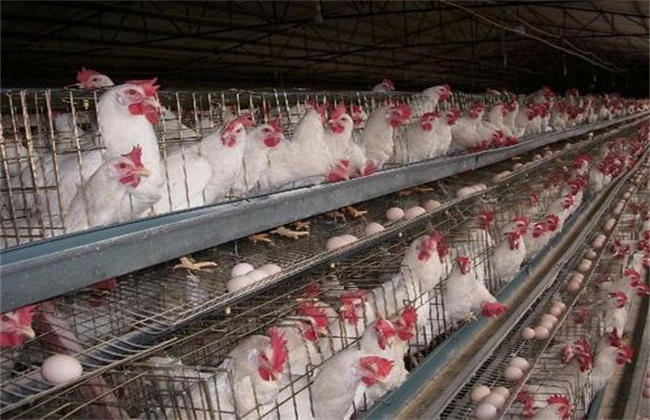
1. The harms of starting to lay too early
There are many harms of laying hens starting to lay too early. First, it causes great harm to the laying hens themselves, hindering the development of their bones and muscles, leading to an overly small body, insufficient body weight, and an excessively thin body that accelerates the aging rate. It is very prone to weak dystocia, prolapse of the cloaca, and cannibalism pecking. Moreover, the eggs laid by laying hens that start laying early are still very small, the egg weight is also very light, the laying rate is low, and the peak laying period is also short. Whether for production or the growth of the laying hens, it will cause a great impact, leading to a sharp decline in farming benefits.
2. The harms of starting to lay too late
Starting to lay too late will also cause relatively great harm to the body and egg-laying performance of laying hens. First, because if laying starts late, the eggs will be relatively large, so laying hens are prone to dystocia caused by exertion, and like starting to lay early, they are also prone to prolapse of the cloaca. And if laying starts too late, at the beginning it is easy to lay oversized eggs. This causes a delay in the peak laying period of the laying hens, and the number of laying days will also be reduced accordingly, so the total egg production will also decline. At the same time, it will also inhibit the overall growth and development of the laying hen flock, seriously harming the economic benefits of chicken farmers.
3. How to prevent and control
In order to avoid laying hens starting to lay too early, for chicks that hatch from September to April of the following year, we should do a good job of artificial supplemental lighting. During the rearing period, we should also pay attention to the pattern of natural light and gradually reduce the amount of artificial supplemental lighting, to avoid prolonged lighting time causing precocious puberty in chicks. For laying hens that start laying too late, the daily lighting time should be controlled at around 16 hours, and they should be properly fed laying feed, etc. The main thing is still to focus on prevention. At the end of the laying hen rearing period, the lighting should be reasonably increased, and then at around 20 weeks of age, they should be properly fed pre-laying feed, etc.
4. The suitable time for starting to lay
When we understand the suitable time for laying hens to start laying, we should first use their laying rate as the first evaluation standard. Usually, if the laying rate of the whole flock reaches about 5%, then it can be used as the age at first egg. And if the age at first egg is to be used as the evaluation standard for the time of starting to lay, then it should be determined according to the breed of chicken. If the breed is different, then the age at first egg will also differ, so everyone should pay more attention.
The above is a brief introduction to the harms of laying hens starting to lay too early or too late. That is all for today's introduction. This article is for reference only, and I hope it can help everyone!