How to prevent laying hens from starting to lay too early? A detailed guide to practical methods
Chickens can be said to be the foremost of China's four major types of poultry, and they are raised in every part of the country. Poultry farming is divided into many types, and laying hens are one of the more popular varieties to raise. When we raise laying hens, the time they start laying is very important, and many people run into the problem of hens starting to lay too early, which seriously affects laying hen farming and economic returns. So how should we prevent laying hens from starting to lay too early? Let's take a look together below!
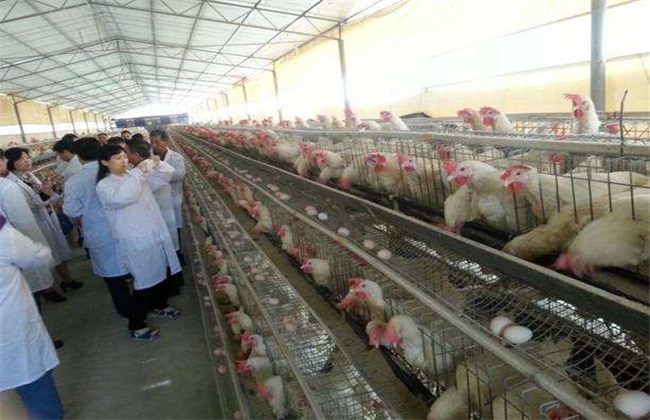
1. Constant lighting during the brooding and growing periods
During the brooding and growing periods of laying hens, we should base things on the local natural daylight hours. Counting from the day the chicks hatch, calculate the longest day length for the flock up to around 5 months of age and use that as the constant light duration. Apart from chicks receiving full light conditions every day from the fourth day to within one week, from the 8th day until 140 days of age, the constant light duration should be used as the standard. If natural daylight is insufficient, then artificial supplementary lighting should be provided. Then starting from 21 weeks, about half an hour should be added each week until it stays at around 16 hours per day.
2. Gradually increasing lighting during the laying period
This method is the opposite of the first one. However, from the fourth day to the seventh day, full lighting should still be the main approach. From the 8th day to 140 days of age, we should first check the daylight hours of the flock at 5 months of age. Then within the first 2 weeks of age, the light duration should be about 7 hours; likewise, if natural light is insufficient, artificial supplementary lighting should be used. Starting from the third week, reduce it by about 25 minutes each week until it is finally reduced by 7 hours, maintaining natural light. Then starting from 21 weeks of age, increase it by about half an hour each week, all the way to 16 hours per week.
3. Points to note
Many chicken farms today mainly use high-yield hybrid strain laying hens. This kind of laying hen itself has the ability to start laying early, so it can appropriately be given light stimulation to let new hens start laying earlier, which can reduce farming costs. Therefore, the two methods above should be flexibly adjusted according to the actual situation. Moreover, when controlling the sexual maturity time and the start of laying of laying hens, light management is not the only method. It can also be controlled through restricted feeding and so on, but the sexual maturity time of laying hens cannot be managed by controlling body weight alone. So it is best to combine restricted feeding and light management based on the standard body weight of the laying hens, ensuring that the laying hens can start laying at the proper time.
The above is a brief introduction to how to prevent laying hens from starting to lay too early. The time when laying hens start laying is very important; it should be neither too early nor too late, so everyone must pay close attention to it. That is all for today's introduction. This article is for reference only, and we hope it can help everyone!