What are the causes of acidosis in sheep and the prevention and treatment methods?
Acidosis in sheep is a common problem in sheep farming, and most farmers will encounter it. Affected sheep often show reduced appetite, reduced or stopped rumination, or excitement followed by calm. Many farmers, because of incomplete understanding, make many mistakes in treatment and delay the condition. Let's take a look at the causes and prevention and treatment methods of acidosis in sheep.
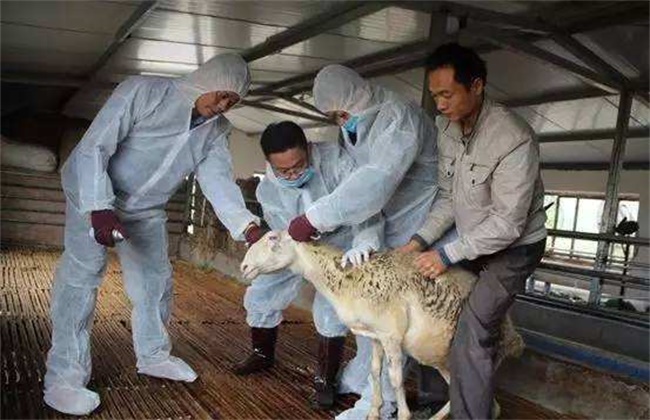
1. Grain acidosis in sheep
Also called rumen acidosis, commonly known as “harvest disease”, it is an indigestion disease caused by sheep eating too much grain feed, which leads to abnormal fermentation producing lactic acid in the rumen, reducing the physiological activity of the microbial flora and ciliates.
Prevention and treatment method: For grain acidosis, first stop fertilizing. You can use 100-150 ml of paraffin oil, 15 g of magnesium hydroxide, 2 g of ichthammol, 20-30 ml of alcohol, add an appropriate amount of warm water, and administer by drench once, which can remove grain from the gastrointestinal tract and prevent fermentation. For sheep with more severe symptoms, infusion is needed, mainly to strengthen the heart and supplement fluids. Glucose saline mixed with sodium camphorsulfonate can be injected intravenously.
2. Chronic acidosis
It is also caused by sheep eating silage, distiller's grains and other feeds in large amounts over a long period. Because this type of feed is highly acidic, it causes acidic substances to continuously accumulate, making the rumen fluid acidic, and acidosis occurs over time.
Prevention and treatment method: Immediately stop feeding silage, distiller's grains and other highly acidic feeds to reduce symptoms. You can appropriately feed some easily digestible green and juicy feed and green hay. You can also use the same injection method as for grain acidosis, and the effect is excellent.
3. Autogenous acidosis
Autogenous acidosis is caused by the sheep itself producing more acidic substances, and is a nutritional and metabolic disease caused by these substances not being fully utilized and broken down and not being excreted from the body in time. For example, if sheep do not eat for a long time, it will cause excessive gastric acid secretion, or if they suffer from constipation, acidic substances in the body cannot be excreted, and so on, all of which can lead to autogenous acidosis.
Prevention and treatment method: Intravenously inject a mixed solution of glucose saline, vitamin C injection, and sodium camphorsulfonate. In addition, sodium bicarbonate injection can be injected separately to correct acidosis. Timely subcutaneous injection of compound vitamin B injection can increase the sheep's appetite and reduce autogenous acidosis.
The above is an introduction to the causes of acidosis in sheep and the prevention and treatment methods. We hope it can help you. To learn more related knowledge, please follow us.