What are the precautions for applying organic fertilizer?
When we grow crops, the application of organic fertilizer is essential. Reasonable application of organic fertilizer can provide crops with sufficient and comprehensive nutrition and enhance the activity of microorganisms in the soil. Whether improving the soil or supporting crop growth, it is very beneficial. However, the structure and composition of organic fertilizer are relatively complex, so there are many points we need to pay attention to when applying it. So let's take a look below at the precautions for applying organic fertilizer!
1. Apply after composting
When we apply organic fertilizer, we must first make sure that the organic fertilizer is fully composted before it can be applied. If the organic fertilizer is not fully composted, then after application it will ferment in the soil. This produces a large amount of ammonia gas and heat, which can easily cause crop root burn, poisoning, and similar problems. In some cases it will also promote weed growth and trigger various pests and diseases. Therefore, before application we should compost the organic fertilizer, and we can build a manure storage pit for fermentation. It can also be piled up, watered, and sealed with mud, allowing its temperature to rise to about 40°C; after about one month it is basically fully fermented and composted.
2. Do not apply concentratedly or excessively
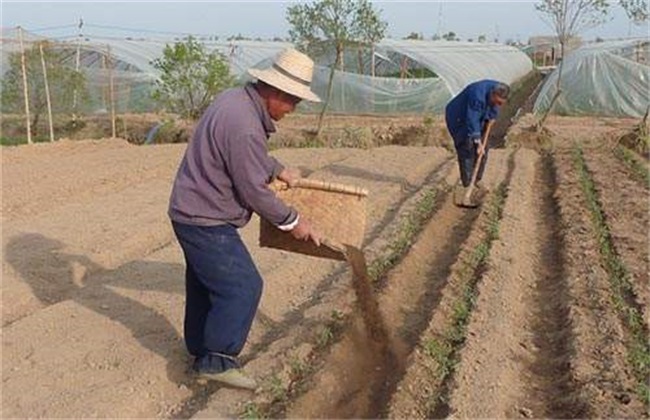
Both the application rate and the application position of organic fertilizer require our close attention. Especially when planting dryland crops, it must not be applied directly to the roots of the crops. Because the water content of dryland crops is very low, if there is too much fertilizer around the roots and the concentration is too high, it will cause physiological water loss in the crops, resulting in reverse osmosis, causing poor crop growth and, in severe cases, wilting and dead seedlings. Therefore, organic fertilizer is usually mainly used as a base fertilizer. If organic fertilizer needs to be applied as a topdressing, then it should mainly be applied in bands or in holes, with soil covering after application, and it must not be scattered directly onto the ground surface.
3. It should not be sun-dried before application
Many farmers are used to sun-drying organic fertilizer before applying it. In fact, this is wrong. In sun-dried organic fertilizer, the nitrogen element has basically already volatilized completely. Moreover, quick-acting phosphorus, quick-acting potassium, and others will also be lost in large amounts, and it will also cause relatively large pollution to the environment, so everyone should pay close attention. Then, when returning straw to the field, if it has not fully rotted and fermented, then the straw will produce a large amount of hydrogen sulfide, causing the rice roots to turn black and, in severe cases, causing stiff seedlings all day. If this situation occurs, then drain the field and dry it in time, and appropriately spray growth regulators suitable for the roots.
4. Reasonable matching
When we apply organic fertilizers such as straw and manure from pigs, cattle, and sheep, the carbon content is relatively high, while the nitrogen content is relatively low. So if too much is applied, it can easily cause nitrogen deficiency and thinning of seedlings in the early stage of crop growth. Therefore, we should pay attention to doing a good job of matching, with an appropriate amount of nitrogen fertilizer. And organic fertilizer is not better the more the better; usually about 1500 kg per mu is enough. Add an appropriate amount of ammonium bicarbonate or urea to it, control the carbon-nitrogen balance well, and ensure sufficient nitrogen to promote microbial activity and crop growth, achieving the goal of stable fertilizer efficiency.
The above is a brief introduction to the precautions for applying organic fertilizer. That is all for today's introduction. This article is for reference only, and I hope it can help everyone!