What are the precautions for moving laying hens to a new house?
During the rearing process, laying hens will undergo a certain degree of adjustment as each of them grows at a different rate. To make management easier and ensure profits, a move to a new house is generally carried out once before laying begins. So what issues should be noted before and after the move? Let's take a look together below.
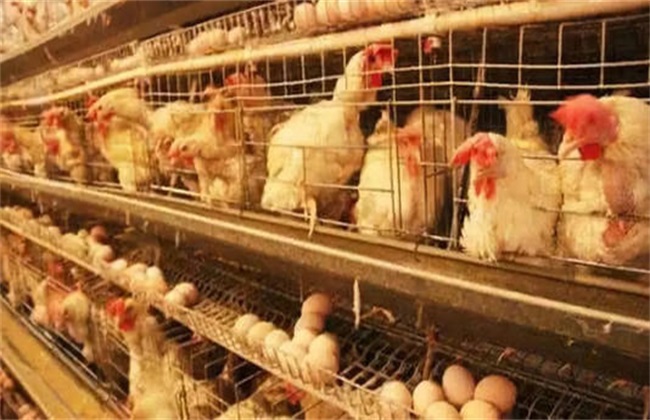
1. Timing of the move
Choosing the timing of the move is very important. If it is too early, the differences among the laying hens are not obvious, and the farmer cannot easily divide them into groups. If it is too late, the laying hens need a longer time to adapt to the new environment, which will affect the profits from egg production. Laying hens need about 7-10 days to adapt to a new environment, and only then do they gradually return to living as normal. The rearing time from chicks to laying is about 150 days, so the move generally starts at around 130-140 days, when the growth differences among the laying hens are also fairly obvious and the farmer can easily tell them apart.
2. Building the new chicken house
Since the laying period arrives right after the move, the adaptation of the laying hens should be promoted as quickly as possible, and this can be done by starting with the new chicken house as a whole. The general layout of chicken houses is similar and does not need much modification; the main effort should go into the temperature, which needs to be kept at the same level as before and controlled at a fairly constant temperature. It is best to disinfect the items in the chicken house first, especially the feed troughs and water troughs, which need thorough disinfection, so that the laying hens do not sense any change and their adaptation period ends sooner.
3. Dividing into groups properly
Moving to a new house amounts to dividing the flock again, so this must be done reasonably. Generally speaking, they are mostly divided according to growth condition: those growing well are grouped together and those growing poorly are grouped together. This makes differentiated management easier; the well-growing ones can gradually be fed feed that increases egg production, while the poor ones can be given basic fattening for a period. Among them, any that show signs of disease, or are currently ill, must be grouped separately, so that these chickens carrying pathogens do not infect the other normal laying hens.
4. Managing them well
After the move, management issues need attention, because the laying hens may experience stress, as some chickens have very poor adaptability. Next, after the move the laying hens gradually need to be fed layer feed; with the two combined, the chance of problems becomes higher, so more inspection and management are needed. Also, to ensure the health of the laying hens during the laying period, it is best at this time to appropriately supplement various trace elements, so that the quality of the eggs produced is not less than ideal.
The above are some precautions for moving laying hens to a new house. After the move, do not change things easily; newly added laying hens also have a certain stimulating effect on the original laying hens, which may make the whole flock unsettled and unable to lay eggs with peace of mind, thus affecting profits.