What causes late onset of laying in laying hens
Laying hens are raised in basically all parts of China and are an indispensable type of poultry. Because laying hens are raised mainly for their eggs, farmers place great importance on the timing of when the hens start laying. Many people have found that sometimes laying hens start laying relatively late, which causes great losses to their farming profits. So what causes late onset of laying in laying hens? Today the editor will briefly explain this for everyone. Let's take a look below!
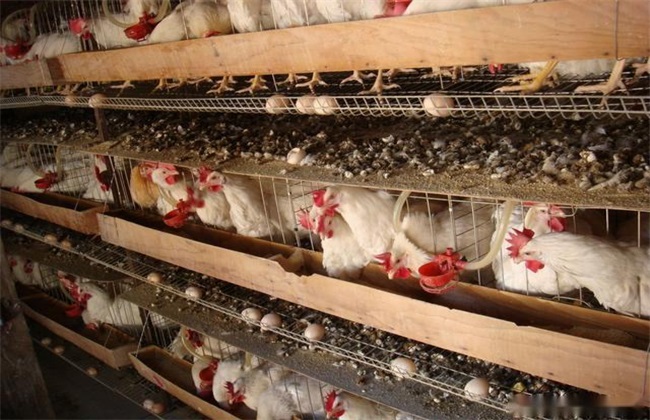
1. Insufficient tibia length
The length of the tibia is, for laying hens, one of the most critical indicators directly affecting their ability to lay. Many farmers basically do not know about this indicator when raising them. Moreover, in order to reduce farming costs as much as possible, they do not strictly feed a complete-price feed according to the requirements, resulting in insufficient feed nutrition. This affects the development of the laying hen's tibia, causing the chicks' tibia to be excessive before six weeks of age. After brown-shell laying hens reach about two months of age, if they are to start laying normally, the tibia length must be at least about 80 mm. If it is too short, then the laying hens' onset of laying will be delayed as a result.
2. Immature development
The onset of laying in laying hens has great requirements for body weight and uniformity. If uniformity is too poor, then the peak laying period of the laying hens will be delayed by about three weeks. Moreover, if uniformity is too poor, then the mortality and culling rate of the flock during the growing period will also be very high. The peak laying period is also relatively short, and farming profits are poor. In addition, if the flock's sexual maturity time is not consistent, some chickens start laying early while others start laying late. Then the peak laying period of each chicken in the flock will differ, and there will be no concentrated peak laying period.
3. Improper management in the late rearing period
After laying hens enter the rearing period, the uniformity of the flock will have a direct impact on later laying. However, uniformity should not be pursued excessively either, as this is also very bad for the growth of laying hens. Many chicken farms, during the rearing period of laying hens, feed blindly and do not adjust the raising density in time, resulting in poor uniformity of the chickens. Then, after discovering the problem later, they blindly pursue uniformity. There is no reasonable management plan for the chickens, and feed is added and reduced blindly. This causes many heavier chickens to be unable to survive due to lack of nutrition, while although some lighter chickens can gain weight, most of the increase is fat, so they also cannot start laying in time, causing a delay in the onset of laying.
4. Unreasonable lighting
Lighting has a very great impact on the onset of laying in laying hens. During the rearing period of laying hens, it is generally at a stage when light duration gradually lengthens, which is very beneficial to the sexual maturity of laying hens and tends to advance the onset of laying. If the light duration gradually shortens, then it is very unfavorable to the sexual maturity of laying hens, especially after laying hens reach 15 weeks of age, the stage when sexual maturity begins. If light is insufficient, then it will affect the development of the laying hen's reproductive system, thereby delaying their onset of laying. Light intensity is also very important. If light intensity is insufficient, then it will delay the laying time of laying hens.
The above is a brief introduction to what causes late onset of laying in laying hens. That is all for today's introduction. This article is for reference only, and I hope it can help everyone!