What causes undigested feed in laying hens?
Undigested feed in laying hens is a general professional term in the poultry industry. Undigested feed does not represent a specific disease, but it can appear in many diseases. Undigested feed is mainly caused by abnormal digestion and absorption of nutrients in the feed by laying hens, and its impact on the growth of laying hens is very great. Although there are many pathogenic causes, the only clinical manifestation is undigested feed. So what is undigested feed in laying hens? Let's take a look together with the editor below!
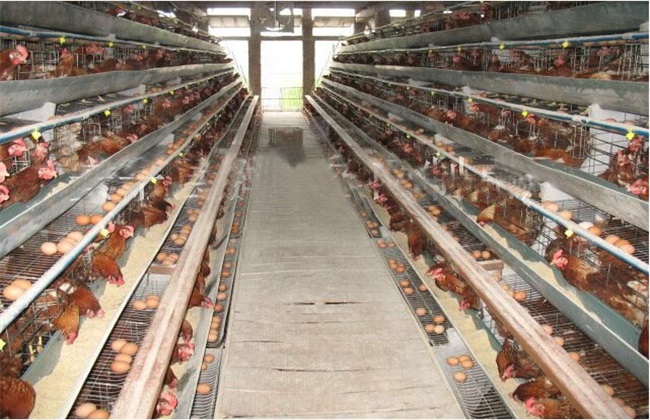
1. Causes of nutritional diseases
Undigested feed in laying hens may first be caused by nutritional diseases. Laying hens will produce orange-yellow droppings that are extremely difficult to form. After the disease occurs, the chickens have reduced appetite, poor pigmentation, low feed utilization, light body weight, and the overall uniformity of the flock is also very poor. If the diseased chickens are dissected, damage to the proventriculus and gizzard can be found. At present, there is no confirmed pathogenic factor, but most believe it is caused by some unknown toxin in the feed or poor feed quality. For example, when there are nutritional diseases such as vitamin A deficiency, it will cause injury to the crop and esophagus of laying hens, thereby causing undigested feed.
2. Infectious diseases
In addition to nutritional diseases, many infectious diseases that damage the intestinal tract of laying hens are also likely to cause undigested feed in laying hens. For example, common avian influenza, Newcastle disease, etc. Most of these diseases will cause local bleeding or necrosis in laying hens, and in severe cases lead to necrosis. Moreover, most infectious diseases will cause short-term diarrhea or undigested feed in laying hens. Therefore, when breeding laying hens, everyone must pay more attention and strictly carry out vaccine prevention work according to the epidemic prevention procedures, reduce the incidence of infectious diseases, and avoid the occurrence of undigested feed.
3. Heat stress
Heat stress is also a main cause of undigested feed in laying hens. After laying hens experience heat stress, their water intake will increase greatly. With the increase in water, when laying hens excrete droppings, the droppings will be too moist and extremely difficult to form. If it is not handled in time two days after heat stress, then the intestinal epithelium of the chickens will gradually become abnormal, and the structure will gradually change. And this current condition will last for at least about three days, according to professional investigation. In laying hens affected by heat stress, the intestinal villi and the surface area of the intestinal epithelium will be affected and decrease.
4. Excessive salt in the diet
The daily salt intake of laying hens has a certain limit. The salt content in the diet will increase because of increased drinking water, thereby causing excessive water in the droppings. The droppings will naturally also show various phenomena such as moisture and inability to form. The main reason for excessive salt intake in laying hens is improper diet preparation or failure to consider the salt content in certain feeds, such as commonly used fish meal. Or it may also be because the salt content in drinking water was not taken into account and a series of other reasons lead to excessive salt intake in laying hens and the occurrence of undigested feed.
The above is a brief introduction to what undigested feed in laying hens is. That is all for today's introduction. This article is for reference only, and I hope it can help everyone!